
Waterjet cutting is a versatile and precise manufacturing process that uses a high-pressure jet of water, often combined with an abrasive substance, to cut through a wide variety of materials. Its ability to produce complex shapes with smooth edges, minimal heat-affected zones, and high accuracy has made it an increasingly popular choice across numerous industries. In this comprehensive guide, we will explore the fundamentals of waterjet cutting, how the process works, its numerous benefits, and the diverse range of applications it serves.
What Is Waterjet Cutting?
Waterjet cutting is a cold cutting process that employs a high-velocity stream of water, sometimes mixed with abrasive particles like garnet, to cut through materials such as metal, stone, glass, plastics, and composites. Unlike traditional methods that rely on heat or mechanical force, waterjet cutting leverages the power of water in a state of extremely high pressure—typically between 30,000 to 90,000 psi.
The process involves directing this concentrated jet through a fine orifice, which accelerates the water into a narrow, high-speed stream capable of slicing through materials with exceptional precision. When abrasive particles are added, the cutting power is significantly enhanced, enabling the process to cut through even the toughest materials.
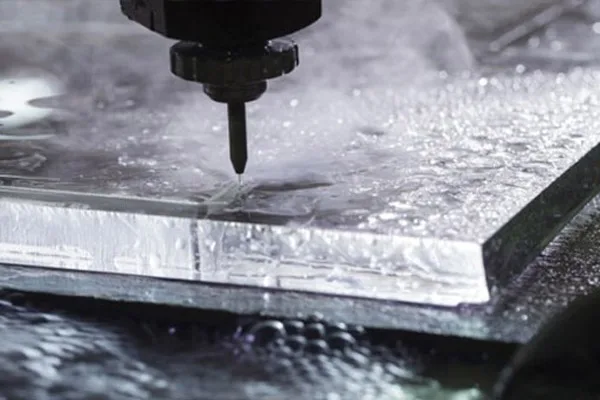
Waterjet cutting
How Does Waterjet Cutting Work?
The waterjet cutting process consists of several key components and steps:
1. High-Pressure Pump: This device pressurizes water to the required levels, often up to 90,000 psi. The pump must be robust and precise to ensure consistent cutting performance.
2. Orifice and Mixing Tube: The pressurized water is forced through a small diamond or sapphire orifice, which constricts the flow and accelerates the water into a high-velocity jet. In abrasive waterjet systems, an abrasive feed system introduces garnet or other abrasive particles into the mixing chamber.
3. Abrasive Addition: In abrasive waterjet cutting, the abrasive particles are mixed with the high-velocity water stream, creating a powerful abrasive jet capable of cutting hard materials.
4. Nozzle: The mixture (or pure water, in non-abrasive systems) exits through a specialized nozzle that focuses and directs the jet onto the workpiece.
5. Cutting Head and Motion System: The cutting head is mounted on a CNC-controlled motion system that precisely guides the jet along programmed paths, allowing for intricate cuts and complex geometries.
Which Materials Can Be Cut with Waterjet?
Waterjet cutting is renowned for its remarkable versatility and ability to cut a wide variety of materials. This capability stems from its cold cutting process, which avoids heat-affected zones and minimizes material distortion. Here are some of the most commonly supported materials for waterjet cutting:
Metals
Stainless Steel: Used extensively in aerospace, automotive, and architectural applications due to its corrosion resistance and strength.
Aluminum: Popular for lightweight structures, aircraft parts, and decorative panels.
Copper and Brass: Suitable for electrical components, decorative items, and plumbing parts.
Titanium: Valued in aerospace and medical industries for its strength-to-weight ratio and biocompatibility.
Mild Steel and Carbon Steel: Widely used in industrial manufacturing and structural applications.
Stone and Ceramics
Granite: Common in countertops, monuments, and sculptures.
Marble: Used in interior design, sculptures, and architectural features.
Slate and Quartzite: Durable options for flooring, wall cladding, and decorative elements.
Ceramic Tiles: For precise trimming and custom shapes.
Glass
Architectural Glass: For windows, facades, and decorative panels.
Art Glass: For intricate designs and etching.
Plastics and Composites
Acrylic (PMMA): Popular in displays, signage, and windows.
Polycarbonate: Used in protective covers, eyewear, and electronic enclosures.
PVC, PET, and other thermoplastics: For various industrial and consumer applications.
Composites: Such as carbon fiber-reinforced plastics and fiberglass, especially in aerospace and sporting goods.
Wood and Wood-Based Materials
Hardwood and Softwood: For decorative panels, furniture components, and artistic projects.
Plywood and MDF: For prototypes, signage, and decorative purposes.
Rubber and Foam
Rubber Sheets: For gaskets, seals, and vibration dampening.
Foam Materials: For packaging, insulation, and artistic projects.
Other Materials
Carbon Fiber and Fiberglass: For lightweight, high-strength components.
Leather and Synthetic Leather: For custom products and fashion accessories.
Paper and Cardboard: For prototyping, packaging, and signage.
Advantages of Waterjet Cutting
Waterjet cutting offers numerous benefits that make it an attractive option for various manufacturing needs:
- Material Versatility: Capable of cutting a broad spectrum of materials, including metals, stone, glass, plastics, composites, and more, without changing tools or setups.
- Precision and Accuracy: Achieves tight tolerances, often within ±0.1 mm, making it suitable for detailed and complex designs.
- No Heat-Affected Zone (HAZ): As a cold cutting process, waterjet does not introduce heat into the material, preventing warping, distortion, or metallurgical changes that can occur with thermal cutting methods.
- Minimal Material Waste: The narrow kerf reduces material wastage, which is especially advantageous when working with expensive or limited materials.
- No Tool Wear: Unlike mechanical cutting tools, waterjets do not experience wear and tear, reducing maintenance and replacement costs.
- Environmentally Friendly: Uses only water and abrasives, with minimal emissions or hazardous waste, making it an eco-conscious choice.
- Flexibility and Speed: Capable of rapid prototyping and production runs, with the ability to cut complex shapes in a single setup.
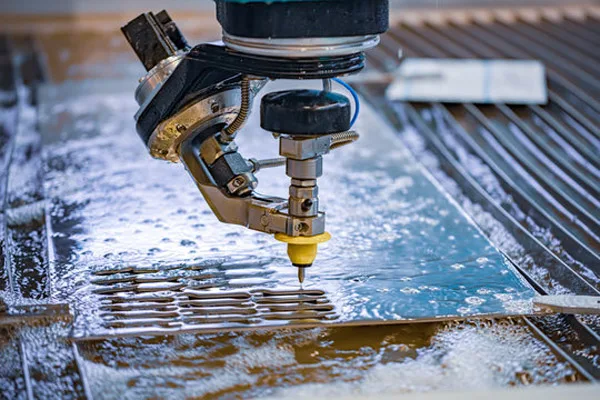
Waterjet maching
Applications of Waterjet Cutting
Waterjet technology finds application across a multitude of industries, including:
Aerospace: Cutting intricate patterns in lightweight metals, composites, and specialized materials used in aircraft components.
Automotive: Precision cutting of metals, plastics, and rubber parts, as well as prototype development.
Architecture and Design: Creating decorative panels, sculptures, and custom glass or stone features with detailed designs.
Manufacturing and Fabrication: Cutting metal sheets, plates, and components for machinery, tools, and structural elements.
Art and Sculpture: Producing detailed artistic works from diverse materials without damaging delicate features.
Electronics: Cutting circuit boards, plastic casings, and other sensitive electronic components.
Food Industry: In some cases, waterjets are used for portioning and cutting food products, leveraging their precision and cleanliness.
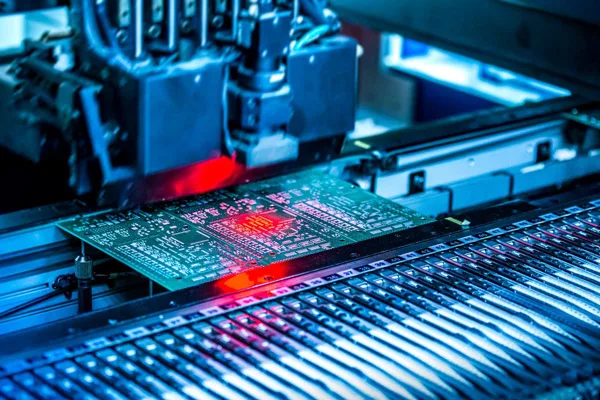
Cutting circuit boards
Limitations and Considerations
While waterjet cutting offers many advantages, it also has some limitations:
Speed: Compared to some thermal cutting methods, waterjets may be slower, especially for large volume production.
Operating Costs: High-pressure pumps and abrasive materials contribute to operational expenses.
Noise: The process can be noisy, requiring soundproofing measures in some work environments.
Maintenance: Pumps and nozzles require regular maintenance to ensure optimal performance.
Conclusion
Waterjet cutting stands out as a highly versatile, precise, and environmentally friendly manufacturing process. Its ability to cut a wide range of materials without inducing heat or mechanical stress makes it invaluable in industries demanding high-quality, complex, and delicate cuts. As technology advances and demand for custom and intricate designs grows, waterjet cutting is poised to remain a vital tool in modern manufacturing and artistic applications. Whether for prototyping, production, or artistic endeavors, understanding the process, benefits, and applications of waterjet cutting can help businesses and individuals leverage its full potential.