
Sheet metal enclosures are essential components in countless industries, including electronics, telecommunications, aerospace, automotive, and industrial machinery. They serve as protective shells for sensitive components, ensuring durability, safety, and aesthetic appeal. Designing and producing effective sheet metal enclosures requires careful consideration of materials, design principles, manufacturing processes, and cost factors.
This comprehensive guide aims to walk you through the key aspects of sheet metal enclosure design and production, providing insights that help optimize functionality, manufacturability, and overall quality.
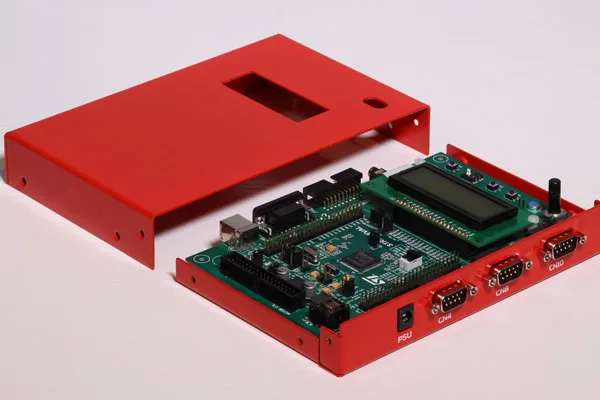
Sheet metal enclosure
Why Choose Sheet Metal Enclosures?
Sheet metal enclosures are favored for their robustness, lightweight nature, ease of fabrication, and cost-effectiveness, especially for medium to large production volumes. They are highly customizable, allowing for complex shapes, openings, and finishes. Their durability makes them suitable for harsh environments, providing protection against dust, moisture, and mechanical impacts.
Key Considerations in Sheet Metal Enclosure Design
1. Material Selection
Choosing the right material is fundamental. Common options include:
- Steel: Offers high strength, durability, and security. Often coated or galvanized for corrosion resistance.
- Aluminum: Lightweight, corrosion-resistant, and easy to machine. Suitable for portable or weight-sensitive applications.
- Stainless Steel: Combines strength, corrosion resistance, and aesthetic appeal, ideal for medical or food industry applications.
2. Design for Manufacturability
Designing with manufacturing in mind ensures ease of fabrication and assembly:
Minimize complex bends and tight radii.
Plan for standard sheet sizes and hardware.
Incorporate features that simplify assembly, such as flanges, mounting points, and snap-fits.
3. Structural Integrity & Safety
Ensure the enclosure provides adequate protection:
- Reinforce critical areas against mechanical stress.
- Include sufficient wall thicknesses.
- Design for proper grounding and EMI shielding if needed.
4. Ventilation & Cooling
Electronic components generate heat, so proper ventilation is essential:
Include vents, slots, or perforations.
Consider airflow pathways and the placement of fans or heat sinks.
5. Accessibility & User Interface
- Design openings for connectors, displays, and user controls:
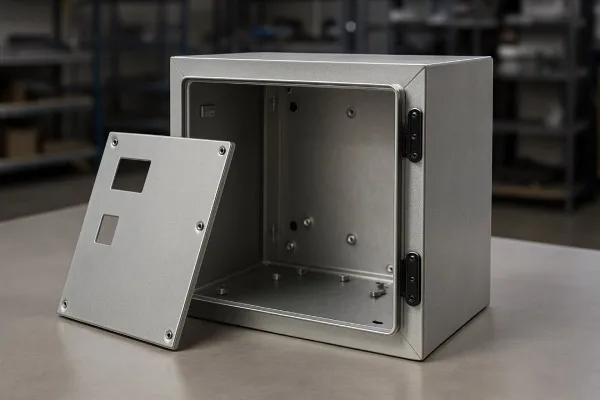
- Use removable panels or doors.
- Ensure accessibility for maintenance and upgrades.
6. Aesthetic & Finish
While functionality is key, appearance matters:
Choose surface finishes such as powder coating, anodizing, or painting.
Incorporate branding elements like logos or custom textures.
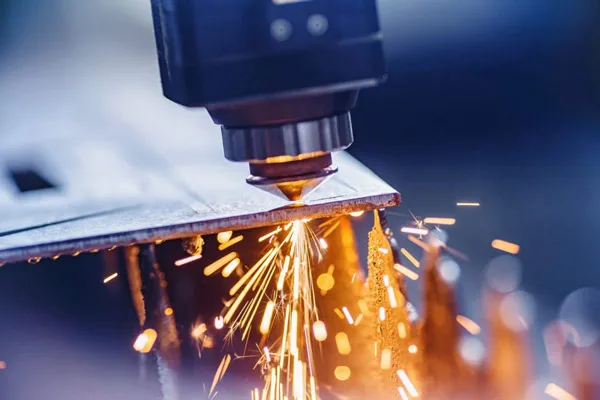
Laser cutting
Manufacturing Processes for Sheet Metal Enclosures
Cutting & Shearing
Laser Cutting: Precise, versatile, suitable for complex shapes.
Waterjet Cutting: No heat distortion, ideal for thicker materials.
Punching: Efficient for repetitive holes and cutouts.
Bending & Forming
Press Braking: Common for creating bends and angles.
Roll Bending: For larger radius curves.
Welding & Joining
Spot Welding: For joining panels.
MIG/TIG Welding: For stronger, seamless joints.
Fasteners: Screws, rivets, or clips for easy assembly and disassembly.
Surface Finishing
Powder coating, anodizing, plating, or painting for corrosion resistance and aesthetics.
Assembly & Final Inspection
Assemble panels, attach hardware, and test for fit, finish, and functionality.
Design Tips for Efficient Production
Use standard sheet sizes and hardware components to reduce costs.
Incorporate flanges and tabs for easier assembly.
Avoid sharp internal corners to prevent stress concentration.
Design for ease of access during assembly and maintenance.
Plan for drainage or sealing if the environment is harsh or exposed to moisture.
Cost Factors in Sheet Metal Enclosure Production
Material costs depend on type, thickness, and finish.
Complexity of design impacts tooling and labor.
Volume influences economies of scale—larger runs reduce unit costs.
Finishing processes add to overall expense but improve durability and appearance.
Final Thoughts
Designing and producing sheet metal enclosures is a balance between functionality, manufacturability, cost, and aesthetics. A well-designed enclosure not only protects internal components but also enhances product reliability and user experience.
By considering material selection, design principles, manufacturing methods, and finishing options, engineers and product designers can create enclosures tailored to their specific application needs.