
In the rapidly evolving landscape of electrical and electronic devices, material selection plays a pivotal role in ensuring performance, safety, and longevity. Among the myriad of materials employed, nylon — a versatile synthetic polymer — has emerged as a fundamental component that underpins the functionality and reliability of countless electrical and electronic applications. Its unique combination of electrical insulation properties, mechanical strength, chemical resistance, and ease of manufacturing makes nylon indispensable in modern electronics.
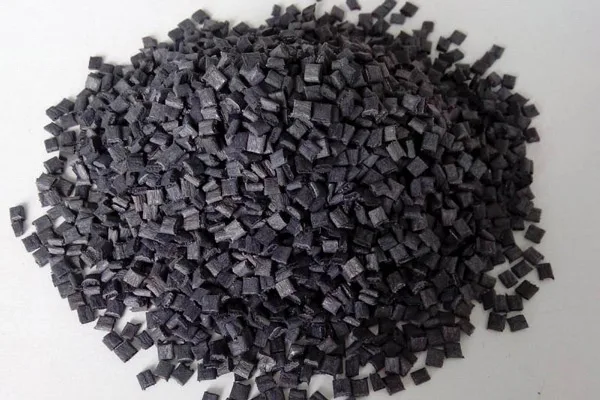
Nylon materials
Introduction to Nylon: A Brief Overview
Nylon, scientifically known as polyamide, was first developed in the 1930s and has since revolutionized various industries. Its molecular structure grants it exceptional properties such as high tensile strength, flexibility, chemical stability, and excellent electrical insulating capabilities. These attributes have led to its widespread adoption in electrical and electronic applications, where performance and safety are paramount.
Why Nylon? The Unique Property Profile for Electronics
Excellent Electrical Insulation:
Nylon effectively prevents current leakage, ensuring that electricity flows only where it is intended—through wires and components, not through housings or connectors.
High Heat Resistance:
Many E&E components generate significant heat. Nylon 66, for example, can withstand continuous service temperatures up to 120°C (248°F) and even higher with glass-fiber reinforcement.
Mechanical Toughness & Creep Resistance:
Nylon maintains its shape and clamping force under constant load. This is vital for connectors and terminals that must hold wires securely for years without loosening.
Flame Retardancy:
Specialty nylon grades (V-0, V-2, 5VA) self-extinguish within seconds of an ignition source being removed, meeting strict safety standards like UL 94 and IEC 60335.
Chemical Resistance:
Nylon resists oils, greases, solvents, and common cleaning agents—a critical feature for industrial electronics and automotive under-hood components.
Design Freedom & Cost Efficiency:
Nylon can be processed via plastic injection molding into complex, thin-walled geometries at high volumes, replacing multiple metal parts with a single, lightweight plastic piece.
Core Applications in Electrical & Electronics
1. Connectors, Terminals, and Wiring Harnesses
Perhaps the single largest application of nylon in electronics is in connectors. Walk into any data center, pop open a desktop computer, or look under the hood of a car, and you will find rows of nylon-bodied connectors.
- Function: Connectors house metal pins or sockets that join wires to circuit boards or other wires.
- Why Nylon? It provides dimensional stability during soldering, excellent pin-retention force, and protection against vibration and moisture. Glass-filled PA66 (PA66+GF30) is the industry standard for USB ports, HDMI connectors, automotive sensor connectors, and power terminals.
- Key Benefit: Prevents short circuits while maintaining mechanical grip over thousands of mating cycles.
2. Circuit Breakers, Switches, and Relays
Safety equipment demands materials that can handle failure scenarios. Nylon is ubiquitous in devices that interrupt electrical flow.
- Function: Housings for miniature circuit breakers (MCBs), residual current devices (RCDs), rocker switches, push buttons, and relay coil bobbins.
- Why Nylon? Nylon’s high arc resistance and flame-retardant grades are non-negotiable. The material also offers the rigidity needed for snap-fit mechanisms in switches.
- Key Benefit: Self-extinguishing properties that stop electrical fires before they spread.
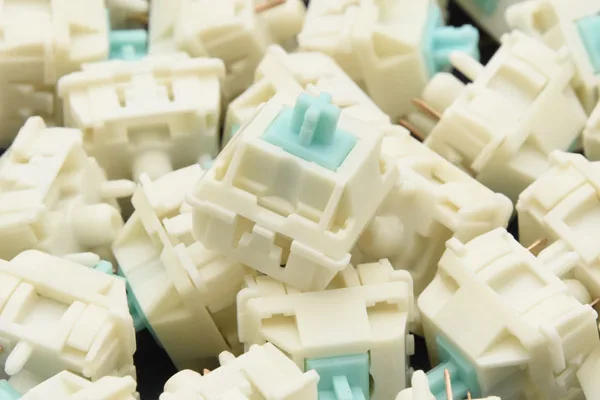
Plastic switches
3. Coil Formers (Bobbins)
Every transformer, inductor, solenoid, and relay contains a coil former—the plastic spool around which copper wire is wound.
- Function: Provide a precise, insulated framework for winding electromagnetic coils.
- Why Nylon? It withstands the tension of automated wire winding, resists the heat generated by the coil during operation, and maintains electrical separation between winding layers. PA66 is preferred for its higher melting point, especially in wave-soldering processes.
- Key Benefit: Enables compact, high-efficiency electromagnetic components.
4. Enclosures, Housings, and Frames
While many consumer electronics use ABS or polycarbonate for outer shells, nylon dominates for power tools (drills, saws), industrial controls, and internal structural frames.
- Function: Protective cases for motors, gears, and PCBs.
- Why Nylon? Unbeatable impact resistance and fatigue resistance. A power tool dropped from a ladder will crack ABS but often bounce off nylon. Nylon also resists oils and greases from the tool’s internal lubrication.
- Key Benefit: Lightweight, durable, and able to replace metal die-cast parts, reducing weight and cost.
5. Cooling Fan Impellers & Frames
Every computer server, gaming console, and power supply unit relies on small cooling fans. Nylon is the material of choice for both the spinning blades and the supporting frame.
- Function: Precision-molded fan blades and structural frames.
- Why Nylon? It offers high stiffness-to-weight ratio, excellent fatigue resistance, and low moisture absorption in specialized grades. The material can be molded to tight tolerances for dynamic balance.
- Key Benefit: Quiet, reliable, long-lasting cooling performance.
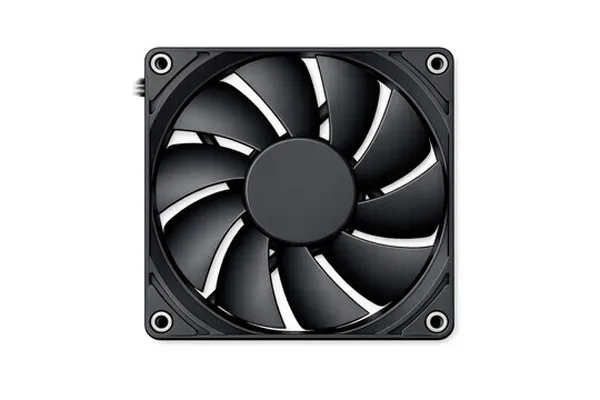
Nylon cooling fan impeller
Specialized Nylon Grades for Electrical Applications
Not all nylons are created equal. The E&E industry relies on a portfolio of tailored grades:
|
Grade |
Key Electrical Features |
| PA66 (Nylon 66) | High heat resistance, good CTI, UL94 V-2 or HB |
| PA6 (Nylon 6) | Better impact at low temps, easier flow |
| Flame-Retardant PA66 (FR PA66) | UL94 V-0 rating, halogen-free options |
| PA46 (e.g., Stanyl®) | Very high continuous use temp (up to 230°C) |
| PA9T / PA4T (High-Temp Polyamides) | Extremely low moisture absorption (<0.3%), high heat |
| PPA (Polyphthalamide) | Superior strength at high temp, low warp |
Innovations and Future Directions
Reinforced Nylon Composites:
Incorporating fibers like carbon or glass improves strength, thermal stability, and electrical performance.
Nano-Enhanced Nylon:
The addition of nanomaterials aims to improve dielectric properties, flame retardance, and environmental resistance.
Eco-Friendly Variants:
Developing recyclable and bio-based nylons aligns with sustainability goals in electronics manufacturing.
Conclusion
From the moment you flip a light switch to the instant your electric vehicle starts charging, the nylon is quietly doing its job. It insulates, protects, cools and connects – often for decades without breaking. While silicon gets the headlines, it is nylon that provides the structural and electrical backbone that allows our high-tech world to function safely and reliably.
As electronics get smaller, hotter, faster and more demanding, the humble polyamide continues to rise to the occasion. The next generation of connectors, breakers and housing will not be metal. They will be engineered nylon lighter, safer and smarter than ever before.