
The energy industry stands at the forefront of technological innovation, striving to develop more efficient, sustainable, and reliable power generation methods. Central to this progress is the role of advanced manufacturing techniques, particularly CNC machining. This technology has revolutionized the production of critical components across various energy sectors by offering unparalleled precision, flexibility, and efficiency. From traditional fossil fuel plants to cutting-edge renewable energy systems, CNC machining underpins the development of complex parts essential for power generation, safety, and environmental sustainability.
The Significance of CNC Machining in the Energy Sector
CNC machining involves the use of computer-controlled tools to precisely cut, shape, and finish materials such as metals, composites, and plastics. This process allows manufacturers to produce highly complex and accurate components with tight tolerances, often impossible to achieve through manual methods. In the energy industry, where components must operate reliably under extreme conditions—including high pressures, temperatures, and corrosive environments—CNC machining provides the robustness and precision necessary to meet demanding specifications.
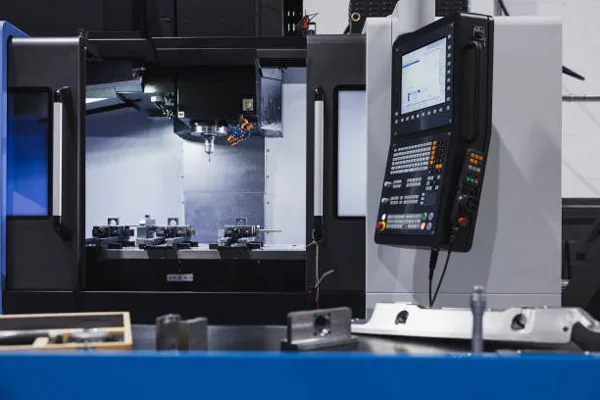
CNC machine
What are the common CNC machining methods used across the energy sector?
Several CNC machining methods are employed in the energy industry, each suited to particular applications and material types:
Milling:
This method uses rotary cutters to remove material from a workpiece, creating complex shapes, slots, and surfaces. It is widely used for manufacturing turbine blades, housings, and structural components.
Turning:
Involving a rotating workpiece and a stationary cutting tool, turning is ideal for producing cylindrical parts such as shafts, pipes, and rollers used in turbines and pumps.
Electrical Discharge Machining (EDM):
Suitable for creating intricate and precise parts in hard metals, EDM is often used for manufacturing reactor components, moldings, and detailed internal features.
Laser Cutting and Engraving:
Used for cutting and marking metals with high precision, particularly for customized parts, labels, or complex internal channels.
Additive Manufacturing:
Sometimes combined with CNC machining, additive manufacturing enables the creation of complex, lightweight structures that are then finished with CNC techniques for precision.
Each of these methods offers unique advantages, allowing manufacturers to optimize production based on design complexity, material properties, and application requirements.
The Role of Precision Engineering in Power Generation
Power generation systems
whether nuclear reactors, wind turbines, solar trackers, or hydroelectric turbines—depend heavily on the quality and precision of their components. The efficiency and safety of these systems are directly linked to the manufacturing quality of key parts, such as turbine blades, rotors, heat exchangers, and piping fittings.
Ensuring Performance and Safety
In nuclear and fossil fuel plants, components must withstand high radiation, extreme heat, and mechanical stresses. CNC machining ensures these parts meet stringent safety standards through high-precision fabrication, reducing the risk of failure and extending operational life.
Enhancing Efficiency
Optimized geometries produced via CNC machining—such as aerodynamically designed turbine blades or precisely machined heat exchangers—maximize energy conversion efficiency. This results in lower fuel consumption, reduced emissions, and improved overall system performance.
Supporting Custom and Complex Designs
Modern energy systems often incorporate innovative designs that require intricate internal channels, complex geometries, and customized features. CNC machining allows manufacturers to realize these designs accurately, fostering innovation and technological advancement.
Commonly machined materials in the energy industry: what are they?
- Stainless Steel: Known for corrosion resistance and strength, used in reactors, piping, and offshore equipment.
- High-Strength Alloys (Nickel-based, Titanium): Employed in turbines, heat exchangers, and components exposed to extreme heat and stress.
- Carbon Steel: Used for structural supports, piping, and mechanical parts requiring durability.
- Aluminum Alloys: Valued for lightweight applications such as wind turbine blades and solar tracking systems.
- Composites: Increasingly used in lightweight, high-strength components, particularly in wind and solar applications.
Applications Across Different Energy Sectors
Wind Power
Wind turbines rely on precisely manufactured blades, hubs, gearboxes, and pitch control systems. CNC machining produces these components with the exacting tolerances necessary for aerodynamic efficiency and structural durability, ensuring turbines operate smoothly over their lifespan.
Nuclear Power
Nuclear reactors demand components with impeccable quality and safety standards. CNC machining facilitates the production of reactor pressure vessels, control rod assemblies, and heat exchangers, all of which require complex geometries and high-grade materials like stainless steel and nickel alloys.
Oil & Gas
The oil and gas industry depends on high-pressure valves, drill bits, piping fittings, and subsea components that must withstand corrosive environments and mechanical stresses. CNC machining ensures these parts meet strict specifications for safety and longevity.
Solar Power
Solar power systems utilize components such as mounting brackets, heat sinks, and precision tracking mechanisms. CNC machining provides the accuracy and durability needed for these parts to perform reliably in outdoor environments.
Hydroelectric Power
Hydroelectric turbines and related mechanical components require precise manufacturing to operate efficiently under high water pressures and variable flow conditions. CNC machining helps produce these critical parts with the necessary tolerances for optimal energy conversion.
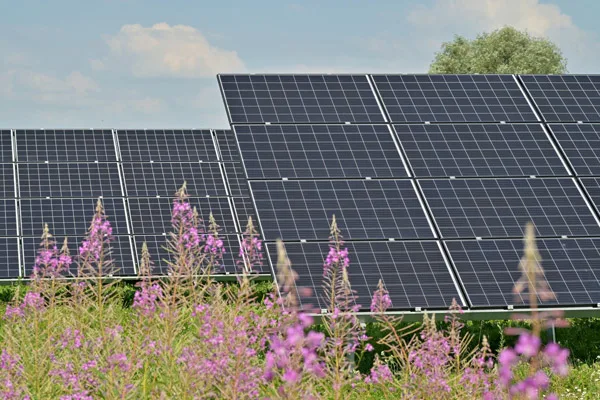
The solar energy electricity generation
Advantages of CNC Machining in Power Generation
High Precision and Repeatability:
CNC machines produce identical parts consistently, ensuring uniformity across large production runs and critical components.
Material Versatility:
Capable of working with a wide range of materials, including high-strength alloys, composites, and exotic metals, suitable for different environmental conditions.
Complex Geometry Capability:
Facilitates the creation of intricate designs, internal channels, and custom features essential for modern energy components.
Rapid Prototyping and Production:
Accelerates the development cycle, enabling quick turnaround from design to production, which is vital for innovation and meeting market demands.
Cost-Effectiveness:
Reduces waste and machining time, lowering overall manufacturing costs, especially for complex or small-batch components.
How does CNC machining affect the environment?
Energy Use:
CNC machines consume electricity, but advancements in machine efficiency and the use of renewable energy sources can mitigate environmental footprints.
Material Waste:
Precision machining minimizes waste; however, excess metal shavings and scrap are inevitable. Recycling metal scraps reduces environmental impact.
Coolants and Lubricants:
Used during machining to cool and lubricate tools, these substances must be managed responsibly to prevent environmental contamination.
Innovation for Sustainability:
The industry is increasingly adopting eco-friendly practices, such as using biodegradable coolants, optimizing machining processes for energy efficiency, and integrating additive manufacturing to reduce material waste.
Challenges and Future Trends
Despite its numerous advantages, integrating CNC machining into the energy industry presents challenges such as the need for highly skilled operators, advanced equipment investments, and handling of difficult materials. Additionally, as the industry moves toward renewable energy and sustainable solutions, the demand for innovative and environmentally friendly manufacturing processes increases.
Future trends point toward the integration of automation, AI-driven optimization, and additive manufacturing with traditional CNC machining. These advancements will lead to even greater precision, faster production times, and the capability to produce more complex, lightweight, and high-performance components.
Conclusion
CNC machining is undeniably a vital enabler of modern power generation, providing the precision engineering necessary to produce reliable, efficient, and innovative components. As the energy industry continues to evolve—embracing cleaner and more sustainable sources—the role of CNC machining will expand, supporting the development of cutting-edge technologies and infrastructure. By combining advanced manufacturing with engineering excellence, CNC machining helps pave the way toward a more sustainable and resilient energy future.