
The rapid pace of technological advancement and evolving healthcare needs demand that medical device development be faster, more efficient, and highly innovative. Rapid prototyping has emerged as a vital methodology that allows designers, engineers, and manufacturers to quickly transform ideas into tangible models, facilitating early testing, validation, and iteration. This approach not only shortens product development cycles but also enhances device safety, usability, and performance. This comprehensive guide explores the importance of rapid prototyping in medical devices, how it is implemented, the techniques and materials involved, and how to select the most appropriate methods for your development needs.
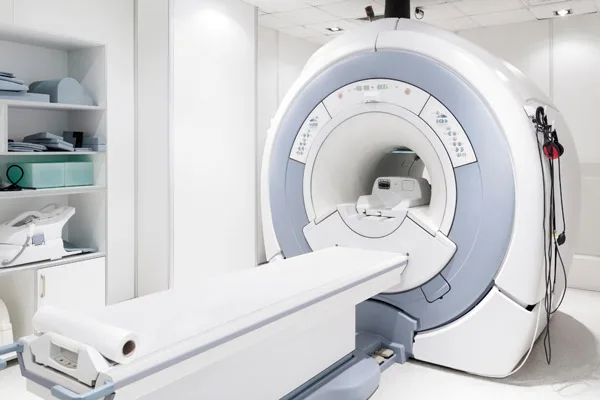
Medical device prototyping
The Importance of Rapid Prototyping in Medical Device Development
Accelerates Time-to-Market
In the highly competitive medical industry, getting a device from concept to clinical use swiftly can significantly impact market share and patient outcomes. Rapid prototyping enables swift translation of design ideas into physical models, allowing for faster feedback, testing, and refinement.
Reduces Development Costs
Traditional development involves multiple stages of manufacturing, testing, and redesign, which can be costly and time-consuming. Rapid prototyping minimizes these costs by enabling early detection of design flaws, reducing the need for extensive rework and minimizing waste.
Facilitates User-Centered Design
By creating physical models early in the development process, designers can better understand how the device interacts with users, clinicians, and patients. This iterative feedback loop leads to more intuitive, comfortable, and effective devices.
Enhances Regulatory and Clinical Validation
Prototypes serve as essential tools for preliminary testing, usability assessments, and early clinical trials. These early validations are crucial for gathering data that supports regulatory submissions, reducing delays in approval processes.
Promotes Innovation and Creativity
Having the ability to quickly produce prototypes fosters a culture of experimentation. Engineers and designers can explore novel ideas, test unconventional designs, and incorporate emerging technologies more freely.
Implementing Rapid Prototyping in the Medical Device Industry
Implementing rapid prototyping in medical device development involves a structured approach that integrates advanced manufacturing technologies, design considerations, and regulatory compliance.
Concept Development and Design
The process begins with conceptualization and digital design using CAD (Computer-Aided Design) software. The design is refined iteratively based on initial feedback and testing plans.
Prototype Fabrication
Using selected rapid prototyping techniques, physical models are produced from the digital designs. This step involves selecting appropriate manufacturing methods, materials, and tools based on the prototype’s purpose.
Testing and Evaluation
Prototypes undergo various tests—functional, mechanical, ergonomic, and safety assessments. Feedback from clinicians, patients, and regulatory advisors helps identify improvements.
Iterative Refinement
Based on test results, the design is refined, and new prototypes are produced for further validation. This cycle continues until the design meets all performance, safety, and usability criteria.
Transition to Production
Once the prototype stage is complete, the design is finalized for manufacturing, considering scale-up, regulatory compliance, and quality assurance.
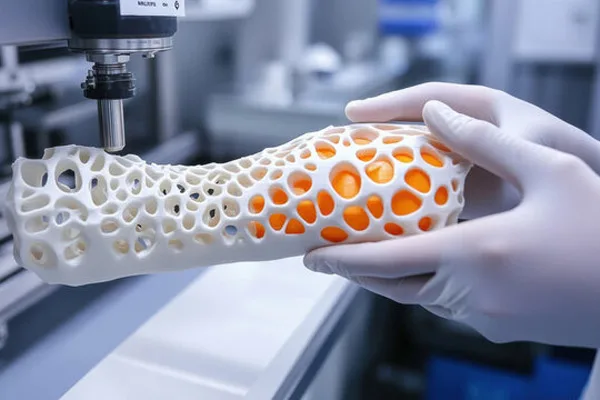
Medical 3D printing
An Overview of the Rapid Prototyping Workflow for Medical Devices
The process of rapid prototyping in medical device development generally follows these stages:
1. Ideation and Design
Develop initial concepts and detailed CAD models that reflect the intended functionality and ergonomics.
2. Material and Technique Selection
Identify suitable materials and manufacturing techniques that replicate the final device’s properties or serve specific testing purposes.
3. Prototype Production
Use rapid manufacturing technologies such as 3D printing, CNC machining, or hybrid methods to produce physical models.
4. Testing and Feedback
Conduct usability, safety, and performance tests, collecting data to inform subsequent design iterations.
5. Iterative Modification
Modify the design based on test feedback and produce new prototypes, refining features and addressing issues.
6. Final Validation
Create high-fidelity prototypes that closely resemble the final product for comprehensive validation and regulatory submission.
Common Techniques for Prototyping Medical Devices
A variety of techniques are employed in the rapid prototyping of medical devices, each suited to different stages of development and specific device types:
3D Printing (Additive Manufacturing)
Stereolithography (SLA): Produces highly detailed and smooth surface finishes suitable for surgical guides and anatomical models.
Selective Laser Sintering (SLS): Creates durable prototypes from powders, ideal for functional testing.
Fused Deposition Modeling (FDM): Cost-effective and versatile, suitable for initial concept models.
CNC Machining
Provides high-precision prototypes from metals and plastics, suitable for functional testing of mechanical parts.
Virtual Prototyping and Simulation
CAD and FEA software enable virtual testing of device designs before physical production, reducing costs and enabling optimization.
Hybrid Techniques
Combining methods, such as 3D printing for complex geometries and CNC for final functional components, optimizes development efficiency.
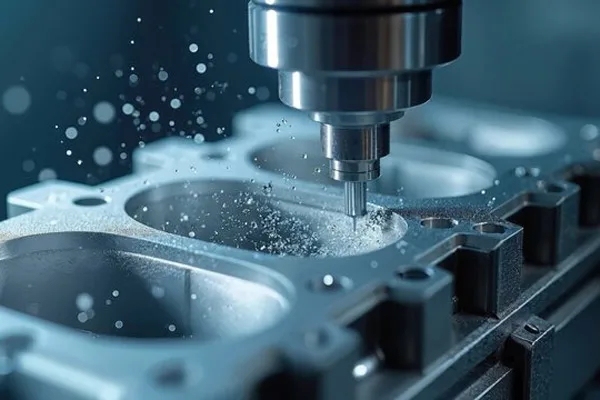
5 axis cnc machine
How to Select the Appropriate Rapid Prototyping Method for Medical Devices
Selecting the appropriate technique depends on several factors:
Purpose of the Prototype
Concept validation: FDM 3D printing or basic models might suffice.
Functional testing: SLS or CNC machining for durability and precision.
Regulatory validation: High-fidelity prototypes with realistic materials.
Material Compatibility
Ensure the chosen method supports biocompatible, sterilizable, or tissue-mimicking materials if required.
Complexity and Geometry
Complex geometries or internal features may require advanced additive manufacturing techniques like SLS or SLA.
Budget and Time Constraints
Evaluate cost-effectiveness and turnaround time; FDM is generally faster and cheaper, while CNC and high-end 3D printing may incur higher costs.
Regulatory and Safety Requirements
Prototypes intended for clinical testing or regulatory submission should utilize proven, biocompatible materials and manufacturing methods.
Suitable Materials for Medical Device Rapid Prototyping
Material selection is critical to ensure prototypes accurately reflect the final device’s properties and meet safety standards:
1. Plastics and Polymers
ABS, PLA, PETG: Common for initial concept models.
Medical-grade resins: SLA resins compliant with biocompatibility standards.
Polycarbonate: Durable and impact-resistant for functional prototypes.
2. Metals
Aluminum, stainless steel: Used in CNC machining for mechanical parts and functional testing.
3. Flexible and Elastomeric Materials
TPE, TPU: For prototypes requiring flexibility, such as grips or seals.
4. Biocompatible Materials
Specialized materials approved for medical use, particularly for devices intended for contact or implantation.
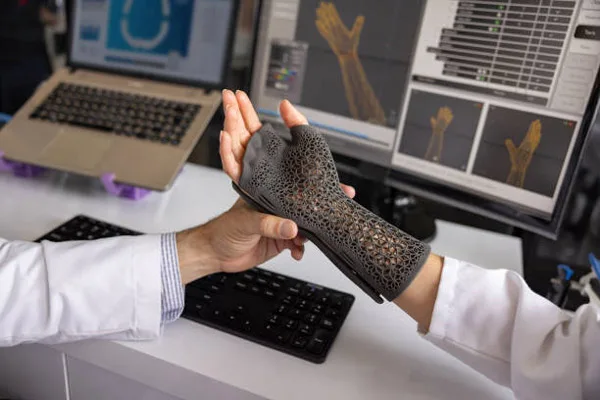
3D printed breathable cast
Different Types of Prototypes in Medical Device Innovation
Prototypes can be classified based on their fidelity, purpose, and stage of development:
1- Concept Prototypes: Early-stage models used to visualize ideas and assess basic form and ergonomics.
2- Form-Fit Prototypes: Models that replicate the shape and size of the final device, often used for fit testing and user feedback.
3- Functional Prototypes: Prototypes that demonstrate the device’s core functions and mechanical capabilities, used for performance testing.
4- Pre-Production Prototypes: Highly detailed and accurate models that closely resemble the final product, used for regulatory validation, clinical trials, and manufacturing process testing.
Conclusion
Rapid prototyping plays an indispensable role in the accelerated development of medical devices. It enables innovation, reduces costs, and facilitates regulatory approval by providing tangible models for testing, validation, and refinement. By understanding the various techniques, materials, and prototype types, developers can select the most suitable approach to bring life-saving and life-enhancing devices to market more efficiently. As technology advances, the future of rapid prototyping in healthcare promises even more sophisticated, personalized, and effective medical solutions.