
In the dynamic and highly regulated world of healthcare, the manufacturing of medical devices and equipment demands a meticulous approach, combining precision engineering, material science, and strict compliance standards. Medical sheet metal fabrication stands at the core of producing a wide array of essential medical devices, from surgical instruments to hospital furniture. This comprehensive guide explores every aspect of medical sheet metal fabrication, providing valuable insights into materials, processes, quality standards, cost management, and choosing reliable manufacturers.
What Is Medical Sheet Metal Fabrication?
Medical sheet metal fabrication refers to the process of transforming thin sheets of metal into complex, precise components used in medical devices and healthcare infrastructure. This process involves cutting, forming, welding, finishing, and assembling metal parts that meet rigorous standards for safety, durability, and biocompatibility.
Unlike general sheet metal work, medical fabrication emphasizes strict adherence to health regulations, ensuring that products are sterile, safe for patient contact, and capable of withstanding sterilization procedures. The process often involves custom designs tailored to specific medical applications, requiring high precision and consistent quality.
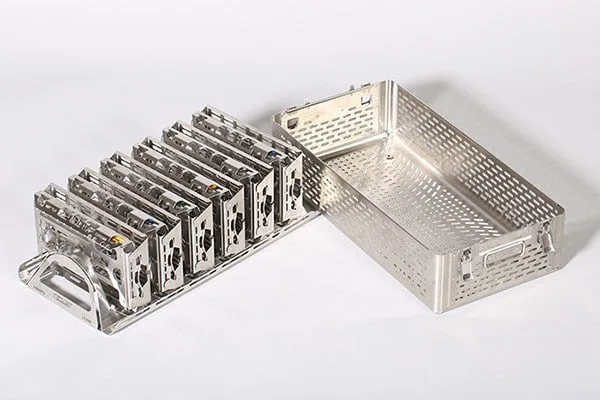
Medical trays
Popular Materials Used in Medical Sheet Metal Fabrication
Choosing the right material is fundamental to the success of any medical sheet metal project. The ideal material should offer strength, corrosion resistance, ease of fabrication, and biocompatibility. The most commonly used materials include:
Stainless Steel (304 and 316 grades):
The most popular choice in medical applications due to its excellent corrosion resistance, strength, and hygienic properties. 316L stainless steel, in particular, is often used in surgical instruments, implants, and sterilizable equipment because of its superior resistance to bodily fluids and sterilization processes.
Aluminum:
Known for its lightweight nature and ease of fabrication, aluminum is used in diagnostic devices, portable medical equipment, and components where weight reduction is crucial. Medical-grade aluminum alloys are used to ensure biocompatibility.
Titanium:
Renowned for its high strength-to-weight ratio, corrosion resistance, and biocompatibility, titanium is widely used in implants, surgical tools, and dental applications. Its inert nature makes it ideal for long-term implantation.
Other Alloys:
Nickel alloys and specialty metals are used in specific applications requiring unique properties such as high-temperature resistance or extreme durability.
Each material choice depends on the specific application, device requirements, and regulatory considerations.
Essential Manufacturing Techniques for Medical Sheet Metal Components
The fabrication of medical components involves a series of precise and controlled processes:
1. Design and Prototyping
The foundation of effective fabrication begins with detailed CAD (Computer-Aided Design) models. Engineers create accurate digital representations of the components, allowing for simulations and adjustments before manufacturing.
Rapid prototyping methods such as 3D printing or small-batch machining enable testing of form, fit, and function, reducing errors and costs.
2. Cutting
- Laser Cutting: Provides high precision and clean edges for intricate shapes and fine features. Ideal for complex designs and small batch production.
- Punching: Suitable for creating holes, slots, and repetitive features efficiently.
- Waterjet Cutting: Uses high-pressure water mixed with abrasives for cutting thick or delicate materials without heat distortion.
3. Forming and Bending
Using CNC press brakes and other equipment, sheets are bent into desired angles and shapes. Proper tooling and process control ensure tight tolerances and consistent results.
4. Welding and Joining
Techniques such as TIG (Tungsten Inert Gas) welding and spot welding join components securely. Proper welding ensures structural integrity and smooth surfaces, critical for sterilization and hygiene.
5. Surface Finishing
Processes like polishing, buffing, and coating are employed to produce smooth, sterile surfaces that resist bacterial growth.
Passivation treatments remove surface contaminants and enhance corrosion resistance, essential for medical-grade parts.
6. Assembly and Inspection
Components are assembled into complete devices, followed by rigorous inspection to verify dimensions, strength, and surface quality.
Non-destructive testing (NDT) methods ensure welds and joints are defect-free.
Surface Finishes and Treatments for Medical Sheet Metal Parts
Surface treatment significantly influences the performance and longevity of medical devices:
- Polishing and Buffing: Achieve mirror-like surfaces that are easy to sterilize and resistant to bacterial adhesion.
- Passivation: Chemically treated to remove free iron or contaminants, improving corrosion resistance.
- Coatings: Such as powder coating or PVD (Physical Vapor Deposition), provide additional protection against wear and corrosion.
- Electropolishing: An electrochemical process that smooths and brightens metal surfaces, reducing surface roughness and bacterial retention.
These finishes not only enhance aesthetic appeal but also improve functionality, hygiene, and durability.
Typical Medical Sheet Metal Components & Applications
Medical sheet metal parts span a wide range of applications:
Surgical Instruments: Scalpels, forceps, scissors, and other tools made from stainless steel or titanium.
Hospital Furniture: Beds, carts, cabinets, and sterilization units crafted from corrosion-resistant metals.
Diagnostic Equipment: Enclosures, mounts, and casings for imaging and testing devices.
Implants: Orthopedic, dental, and cardiovascular implants made from titanium or specialized alloys.
Sterilization Equipment: Chambers, trays, and sterilizer components designed for repeated sterilization cycles.
Monitoring Devices: Casings and brackets for patient monitors and electronic health devices.
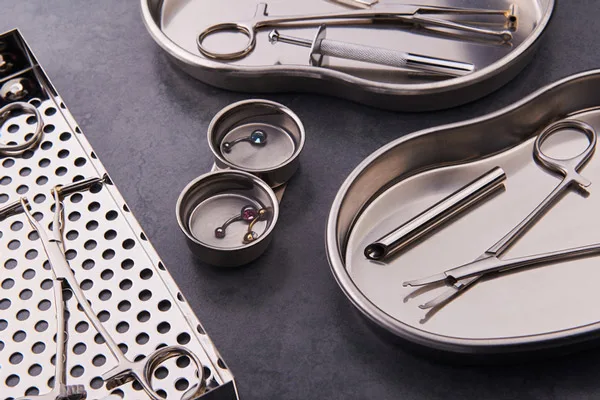
Sheet metal forceps
Quality Control Standards for Medical Sheet Metal
To ensure safety and effectiveness, medical sheet metal fabrication must comply with strict quality standards:
ISO 13485: Specifies requirements for a quality management system specific to the medical device industry.
FDA Regulations: Enforce standards for devices marketed in the United States, including Good Manufacturing Practices (GMP).
Material Certifications: Confirm that materials meet biocompatibility and safety standards such as ASTM and ISO certifications.
Sterilization Compatibility Testing: Ensures parts can withstand sterilization methods without degradation.
Traceability: Complete documentation of materials, processes, and inspections for regulatory audits and quality assurance.
Rigorous quality control involves inspections, testing, and validation at every stage of manufacturing to ensure compliance and safety.
How to Reduce Medical Sheet Metal Fabrication Cost
- Design Optimization: Simplify designs to reduce material waste and manufacturing complexity.
- Material Selection: Choose cost-effective materials that meet performance requirements.
- Process Automation: Implement CNC machines, robotics, and automated inspection systems to increase productivity and reduce labor costs.
- Bulk Purchasing: Secure favorable terms for raw materials and consumables.
- Supplier Collaboration: Partner with experienced fabricators who understand regulatory standards and process efficiencies.
- Lean Manufacturing: Adopt practices to minimize waste, optimize workflows, and improve throughput.
Conclusion
Medical sheet metal fabrication is a highly specialized discipline that combines advanced manufacturing techniques, stringent quality standards, and a deep understanding of biocompatible materials. From design to finishing, every step must be carefully controlled to produce safe, durable, and effective medical devices and components.
By understanding the materials, processes, standards, and cost strategies outlined in this guide, healthcare manufacturers and engineers can make informed decisions, optimize production, and ensure compliance. Selecting a reliable manufacturing partner further guarantees that your medical devices meet the highest quality and safety standards necessary for patient care.
Staying abreast of technological innovations and regulatory updates will continue to shape the future of medical sheet metal fabrication, driving improvements in device performance, patient safety, and manufacturing efficiency.