
Titanium anodizing is a popular surface treatment that enhances the aesthetic appeal and durability of titanium products. Whether you’re an jewelry enthusiast, a manufacturer, or a hobbyist, understanding the anodizing process, costs involved, and the variety of colors available can help you make informed decisions. In this comprehensive guide, we’ll explore everything you need to know about titanium anodizing, including the process, pricing, and the wide range of color options.
What is Titanium Anodizing?
Titanium anodizing is an electrochemical process that creates a thin oxide layer on the surface of titanium. This oxide layer not only improves corrosion resistance and surface hardness but also allows for vibrant, iridescent colors to be produced. The colors are not painted or dyed onto the surface; instead, they result from interference effects of light reflecting off the oxide layer, which can be precisely controlled through the anodizing process.
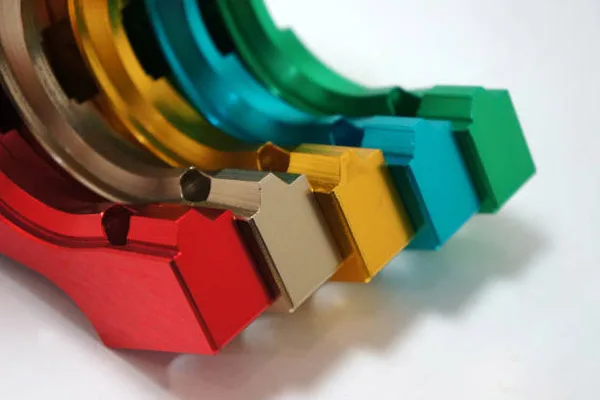
Tianium anodized parts
The Anodizing Process for Titanium
Understanding how titanium anodizing works requires a look into the steps involved:
1. Preparation:
The titanium surface is thoroughly cleaned to remove oils, dirt, and any previous coatings. This can involve ultrasonic cleaning, chemical cleaning, or polishing to ensure a smooth, contamination-free surface.
2. Electrolyte Bath Setup:
The titanium piece is submerged in an electrolytic solution, typically containing acids like sulfuric or oxalic acid, which facilitate the formation of the oxide layer.
3. Electrochemical Anodizing:
An electrical current is passed through the electrolyte, with the titanium acting as the anode (positive electrode). The voltage and current density are carefully controlled to produce specific oxide thicknesses, which correspond to different colors.
4. Color Formation:
The oxide layer thickness determines the color due to light interference. Thinner layers produce lighter hues, while thicker layers generate darker or more vibrant colors. Artists and manufacturers can control the voltage to produce a spectrum of colors, including blues, purples, greens, yellows, and more.
5. Sealing and Finishing:
After anodizing, the piece may be sealed in water or other solutions to enhance corrosion resistance and durability. Sometimes, additional coatings or polishing are applied to achieve the desired finish.
Factors Influencing Anodizing Quality and Color
Voltage and Current Settings: Precise control over electrical parameters is vital to achieve consistent and vibrant colors.
Electrolyte Composition: Different acids and their concentrations can influence the color and quality of the oxide layer.
Surface Preparation: A clean, smooth surface yields better coloration and adhesion.
Thickness of Oxide Layer: Thicker layers tend to produce darker or more intense colors.
Cost of Titanium Anodizing
The price of anodizing titanium varies depending on several factors:
Size and Complexity of the Item: Larger or intricate pieces require more time and effort.
Color Requirements: Some colors, especially vibrant or unique hues, may require precise voltage control and additional processing.
Quantity: Bulk orders often receive discounts.
Type of Finish: Matte, polished, or textured finishes can influence the cost.
Labor and Equipment: Professional anodizing services with advanced equipment tend to be more expensive than DIY methods.
Color Options in Titanium Anodizing
One of the most attractive features of titanium anodizing is the extensive color palette achievable without dyes. The colors are primarily determined by the oxide layer thickness, which correlates with specific voltages during the process.
Common Colors and Their Corresponding Voltages:
Light Yellow: ~10-15V
Gold: ~15-20V
Amber: ~20-25V
Green: ~25-30V
Teal/Blue-Green: ~30-35V
Blue: ~35-45V
Purple: ~45-55V
Violet: ~55-70V
Black: Achieved through very thick oxide layers or dyeing techniques, often more costly
Custom and Gradient Colors:
Artists and manufacturers can create gradient effects by varying voltage during the process.
Some advanced techniques involve multiple anodizing steps or masking to produce multi-colored or patterned finishes.
Applications of Titanium Anodizing
Titanium anodizing is employed across various industries and hobbies:
- Jewelry and Accessories: Rings, bracelets, watches, and earrings with vibrant colors.
- Aerospace and Automotive Parts: For corrosion resistance and aesthetic appeal.
- Medical Implants: Improved biocompatibility and surface toughness.
- Sporting Goods: Bicycle frames, golf clubs, and fishing gear.
- Decorative Items: Custom art pieces, home décor, and awards.
Beyond these traditional sectors, titanium anodizing has found a strong foothold in consumer electronics, where manufacturers use it to produce distinctive finishes for laptop lids, smartwatch cases, wireless earbuds, and premium smartphone frames, offering both scratch resistance and a premium visual identity. Similarly, architectural facades and modern building installations increasingly utilize large-format anodized titanium panels, not only for their striking, iridescent exteriors but also for their exceptional weather resistance and ability to withstand extreme temperature fluctuations without fading or peeling. The culinary world has also begun experimenting with anodized titanium cookware and cutlery, leveraging the non-toxic, non-reactive nature of the oxide layer to create visually stunning, chef-grade utensils.
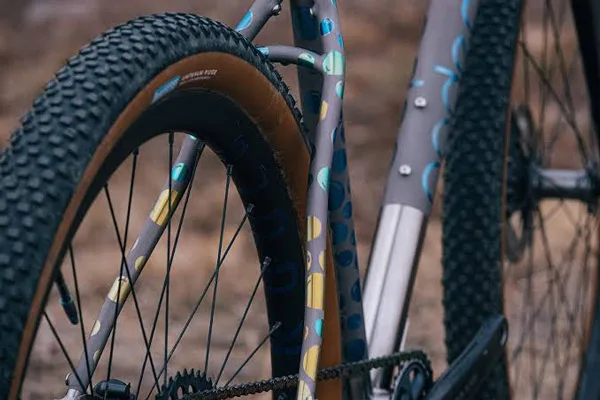
Titanium anodizing bicycle frame
Benefits of Titanium Anodizing
Enhanced Durability: Increased surface hardness and corrosion resistance.
Aesthetic Appeal: Wide range of vibrant, permanent colors.
Biocompatibility: Safe for medical applications.
Lightweight: Titanium’s inherent lightness combined with the decorative finish.
Limitations and Considerations
Color Consistency: Achieving uniform colors requires precise control and expertise.
Cost: High-quality anodizing can be costly, especially for small quantities.
Process Duration: Multiple steps and careful control can extend production times.
Skill Required: DIY anodizing demands safety precautions and technical knowledge.
Maintenance and Care Tips for Anodized Titanium:
While the anodized oxide layer greatly improves scratch resistance and provides excellent corrosion protection, it is not completely impervious. To maintain the vibrant colors and glossy finish of your anodized titanium over time, it’s important to handle and clean it properly. Use only gentle cleaning methods such as mild soap, warm water, and a soft microfiber cloth to wipe the surface. Steer clear of abrasive cleaning agents, scouring pads, steel wool, or potent alkaline degreasers, as these can etch or dull the oxide layer, gradually thinning it and reducing its protective qualities.
Since the color in anodized titanium is embedded within the oxide layer itself, it will not peel, flake, or blister like paint or coatings. However, heavy mechanical abrasions—such as dropping the item or rubbing it against harder surfaces—can physically remove or damage the thin oxide film. This can expose the dull, uncolored titanium beneath and cause permanent changes to its appearance.
For items subjected to frequent wear, like rings or watch bands, periodic re-anodizing or professional touch-up services can help restore their original brilliance. These touch-ups are effective as long as the underlying titanium has not been severely gouged or scratched beyond the oxide layer. Proper care and occasional maintenance will help ensure your anodized titanium retains its stunning appearance for years to come.
Conclusion
Titanium anodizing is a versatile and visually stunning surface treatment that enhances both the aesthetic and functional qualities of titanium products. With a wide range of colors achievable through precise control of the anodizing process, it offers endless creative possibilities for designers, manufacturers, and hobbyists alike. While costs can vary based on size, complexity, and color requirements, investing in professional anodizing ensures vibrant, durable finishes that stand the test of time.
Whether you’re looking to create eye-catching jewelry, functional aerospace parts, or decorative art pieces, understanding the process, costs, and color options of titanium anodizing empowers you to make the best choices for your projects.