
Sheet metal hemming is a fundamental process in metalworking that enhances the strength, durability, and aesthetics of metal components. Whether you’re a seasoned fabricator or a beginner, understanding the various techniques, applications, and best practices for hemming can significantly improve the quality of your projects. This comprehensive guide aims to provide an in-depth overview of sheet metal hemming, covering the methods used, the different applications across industries, and valuable tips for achieving optimal results.
What is Sheet Metal Hemming?
Hemming is a metalworking operation where the edge of a sheet metal piece is folded over onto itself or into an adjacent section. This process creates a smooth, rounded, or folded edge that improves safety, appearance, and structural integrity. Hemming is commonly used in automotive bodies, appliance manufacturing, architectural panels, and various other industries.
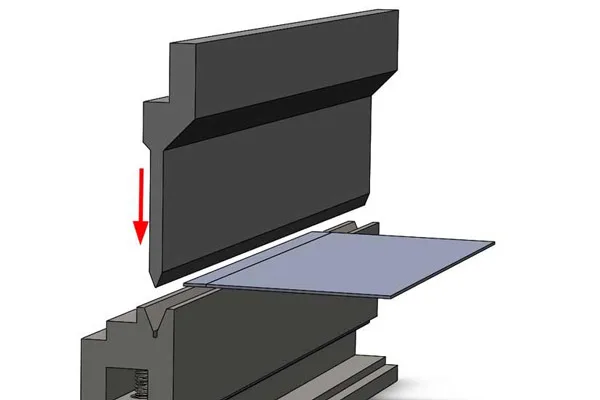
Sheet metal hemming
Benefits of Hemming in Sheet Metal Fabrication
- Enhanced Safety: Rounded edges reduce the risk of cuts and injuries during handling.
- Improved Aesthetics: Clean, finished edges give a professional look to products.
- Increased Strength: Hemming can reinforce the edge, adding structural support.
- Better Sealing: In applications like HVAC or plumbing, hemming can improve sealing and prevent leaks.
- Corrosion Resistance: Proper hemming can eliminate sharp edges that are prone to corrosion or damage.
Common Hemming Techniques
There are several methods to perform hemming, each suited to different types of projects, materials, and production volumes. Here are the most widely used techniques:
Single Hem
The simplest form of hemming, where the edge is folded over once. It is quick and easy, suitable for light gauges and low-stress applications.
Process:
The sheet is bent over at a right angle.
The edge is folded back onto itself, creating a smooth finish.
Uses: Decorative trims, light enclosures.
Double Hem
This involves folding the edge over twice, creating a thicker, more durable edge with increased strength and safety.
Process:
After the initial fold, the edge is folded over again.
Provides a rounded, smooth finish.
Uses: Automotive panels, appliance housings.
Rolled Hem
In this technique, the edge is rolled into a tight, rounded profile, often using specialized rollers.
Process:
A rolling die forms the edge into a radius.
Suitable for high-stress or aesthetic applications.
Uses: HVAC ducts, decorative panels.
Folded Hem with Flange
Involves creating a hem with an additional flange or extended lip for mounting or sealing purposes.
Process:
The edge is folded over.
An extra flange is added during the process for attachment.
Uses: Enclosures, mounting panels.
Seaming and Interlocking Hemming
Used for joining two sheets together by folding the edges into each other, often in a continuous seam.
Process:
Edges are folded and interlocked.
Often performed with specialized equipment.
Uses: Container manufacturing, HVAC ducting.
Techniques and Equipment for Hemming
The choice of technique depends on factors such as material type, thickness, production volume, and desired finish. Here are some common tools and equipment used:
Hand Hemming Tools: Suitable for small-scale or hobbyist projects.
Press Brakes: Used for precise bends and folds, especially in double or rolled hems.
Roll Formers: Specialized machinery for rolled hems, often in high-volume production.
Hemming Machines: Automated or semi-automated machines designed specifically for hemming operations.
Manual Bending Dies: For custom or prototype work.
Applications of Sheet Metal Hemming
Hemming is a versatile process with applications across numerous industries:
- Automotive Industry: Hemmed edges in doors, hoods, and dashboards for safety and aesthetic appeal.
- Appliance Manufacturing: Edges of refrigerators, washing machines, and ovens for safety and finish.
- HVAC and Ductwork: Rolled hems provide strength and smooth airflow.
- Architectural Metalwork: Decorative panels, roofing, and cladding often feature hemmed edges.
- Electronics and Enclosures: Safe, rounded edges prevent damage to sensitive components.
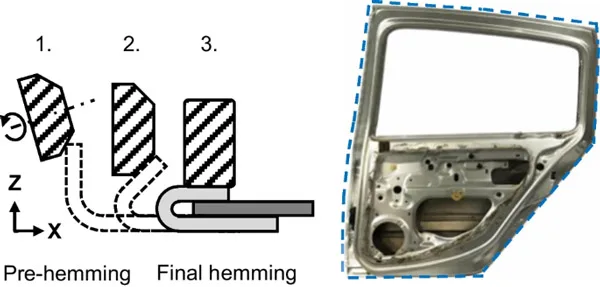
Hemming
Tips for Successful Hemming
Choose the Right Material and Thickness: Thinner sheets are easier to hem; thicker materials may require specialized equipment.
Use Proper Tools and Equipment: Ensure your tools are suited for the specific hemming technique you plan to use.
Plan Your Fold Radius: For rolled hems, select an appropriate radius to balance aesthetics and strength.
Maintain Consistent Bending Angles: Precision in bending ensures uniformity and quality.
Practice on Scrap Material: Before working on your final piece, test your technique to avoid costly mistakes.
Control Your Bending Speed: Slow, steady bends reduce material deformation and improve accuracy.
Ensure Proper Clamping: Secure the sheet firmly to prevent slipping or misalignment.
Pay Attention to Edge Finish: Deburr and smooth edges after hemming to eliminate sharpness and improve appearance.
Consider Automation for Large Batches: Automated machines increase efficiency and consistency in high-volume production.
Common Challenges and How to Overcome Them
Cracking or Fracture: Use appropriate materials and avoid excessive bending stresses.
Wrinkles or Deformation: Ensure proper tooling and gradual bending.
Inconsistent Radius: Use calibrated rollers or dies for uniformity.
Material Springback: Account for springback by overbending slightly and then releasing.
Conclusion
Sheet metal hemming is an essential process that enhances the safety, durability, and appearance of metal components across various industries. By understanding the different techniques, selecting the appropriate method for your project, and following best practices, you can achieve high-quality results that meet both aesthetic and functional requirements. Whether working manually or utilizing advanced machinery, mastering hemming will expand your capabilities as a fabricator and elevate the quality of your metalworking projects.