
Aluminium rapid prototyping is a fast and versatile way to turn a digital design into a physical part. By using processes such as CNC machining, sheet metal fabrication, and aluminium 3D printing, manufacturers can produce functional prototypes for testing and evaluation without committing to full-scale production.
Because aluminium combines low weight, good strength, corrosion resistance, and excellent machinability, it is widely used in industries ranging from automotive and aerospace to electronics and medical equipment. This guide explains how aluminium rapid prototyping works, its benefits and limitations, common manufacturing methods, and how to choose the right process for your project.
What Is Aluminium Rapid Prototyping?
Aluminium rapid prototyping is the production of prototype parts made from aluminium using accelerated manufacturing methods. A prototype can be a visual model, a dimensional sample, or a fully functional component designed to represent some or all of the final product.
The process usually starts with a 3D CAD model. The design is reviewed for manufacturability, converted into machine instructions or production data, and manufactured using a suitable method. After production, the part may be inspected, assembled, tested, or finished.
Unlike a purely visual plastic model, an aluminium prototype can often be used for mechanical testing, thermal evaluation, fit checks, and real-world handling. It can help teams identify design problems before they invest in expensive tooling or mass production.
Why Aluminium Is Popular for Prototypes
Aluminium is one of the most frequently selected metals for rapid prototyping. It offers a practical balance of performance, cost, and manufacturing convenience.
Lightweight with useful strength
Aluminium is much lighter than many steels while still providing good strength for a wide range of applications. This makes it suitable for prototypes where weight matters, including vehicle components, aerospace parts, portable devices, and robotics.
Excellent machinability
Many aluminium grades can be cut efficiently using CNC milling and turning. This allows manufacturers to create precise features, smooth surfaces, thin walls, holes, threads, and complex geometries with relatively short lead times.
Good corrosion resistance
Aluminium naturally forms a protective oxide layer when exposed to air. Depending on the alloy and operating environment, this helps the material resist corrosion. Anodizing and other surface treatments can provide additional protection.
Thermal and electrical conductivity
Aluminium conducts heat and electricity effectively. It is therefore a useful material for heat sinks, enclosures, electrical housings, and thermal-management prototypes.
Wide range of finishing options
Aluminium parts can be bead blasted, polished, anodized, painted, or coated. These options make it possible to create prototypes that are not only functional but also close to the appearance of a finished product.
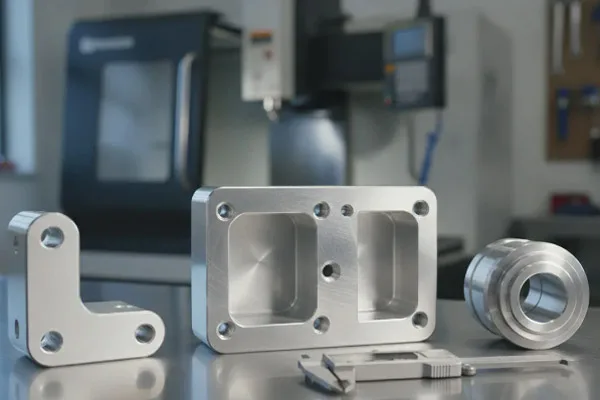
Aluminium cnc parts
Common Aluminium Rapid Prototyping Methods
The best process depends on the part’s shape, required tolerances, quantity, material grade, and intended use. The most common methods are CNC machining, sheet metal fabrication, and metal additive manufacturing.
CNC machining
CNC machining is one of the most widely used methods for aluminium rapid prototyping. A computer-controlled cutting tool removes material from a solid aluminium block or billet to create the required shape.
CNC milling is suitable for parts with flat surfaces, pockets, slots, holes, and complex three-dimensional features. Multi-axis machining can access different sides of a part and produce more intricate geometries.
CNC turning is generally used for cylindrical components such as shafts, bushings, rings, and threaded parts. Milling and turning can also be combined to create parts with both rotational and prismatic features.
CNC machining is a strong choice when a prototype needs accurate dimensions, good surface quality, or properties close to those of a production aluminium component. However, because it is a subtractive process, material is removed from the original block, which can create waste. Some internal shapes may also be difficult or impossible to machine.
Aluminium sheet metal fabrication
Sheet metal fabrication is appropriate for thin-walled parts such as covers, brackets, panels, trays, and electrical enclosures. Typical operations include laser cutting, punching, bending, forming, and joining.
This method can be cost-effective for prototypes with relatively simple shapes and uniform wall thickness. It is especially useful when the final product will also be made from formed sheet metal.
Designers should consider bend radius, material thickness, hole placement, and forming direction. Features placed too close to a bend may distort during fabrication, so early design-for-manufacturing review can prevent rework.
Aluminium 3D printing
Metal additive manufacturing builds a component layer by layer from digital data. Some metal 3D-printing systems can produce aluminium parts with complex internal channels, lattice structures, or shapes that would be difficult to machine.
Additive manufacturing can reduce material waste and offer greater design freedom. It is often considered for low-volume, high-complexity parts or for prototypes that need to demonstrate a design concept that cannot be made easily using conventional methods.
However, aluminium 3D printing may involve higher equipment and material costs than standard machining. Parts may also require support removal, heat treatment, machining, or surface finishing. The final properties and surface texture depend on the specific alloy, machine, and process settings.
Casting for prototype evaluation
For some projects, aluminium casting can be used to produce prototype parts, particularly when the intended production method is die casting or another casting process. Prototype casting can help teams evaluate geometry and performance before investing in production tooling.
Casting is not always the fastest route for a single part, since patterns or molds may be needed. It can become more attractive when several parts are required or when the prototype must closely represent a cast production component.
Choosing an Aluminium Alloy
The right aluminium alloy depends on the part’s mechanical, thermal, environmental, and manufacturing requirements. Commonly used options include:
- 6061 aluminium: A versatile alloy with good machinability, corrosion resistance, and mechanical properties. It is commonly used for brackets, housings, fixtures, and general-purpose prototypes.
- 7075 aluminium: A high-strength alloy often selected for demanding structural applications. It can be more challenging to machine and may not be the best choice where corrosion resistance or welding is a priority.
- 5052 aluminium: A formable alloy frequently used for sheet metal parts. It is suitable for enclosures, panels, and components requiring bending.
- 2024 aluminium: A high-strength alloy used in some aerospace applications. Its corrosion resistance may require additional consideration and protection.
- Cast aluminium alloys: These are used when the design or production route involves casting. Their properties and finishing characteristics differ from wrought alloys.
The alloy name alone does not guarantee a particular result. Temper, heat treatment, supplier specifications, and manufacturing conditions also affect the final part. If the prototype is intended for engineering testing, the material specification should be agreed upon before production.
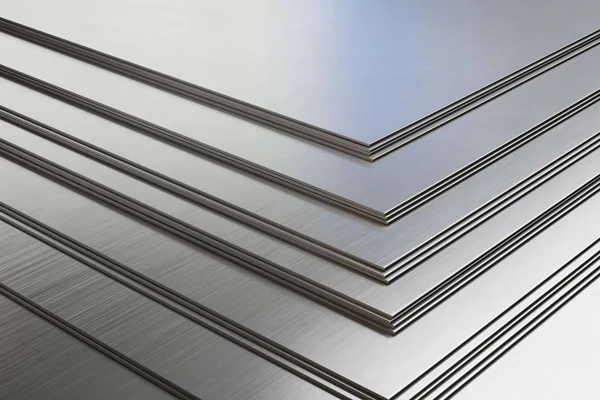
6061 aluminium
Design Tips for Better Aluminium Prototypes
Good design choices can reduce cost and shorten lead time.
Use realistic tolerances: Tight tolerances should be applied only to features that require them. Unnecessary precision can increase machining and inspection costs.
Avoid extremely thin walls: Thin features may vibrate, deform, or be difficult to machine. The suitable wall thickness depends on the part’s size, geometry, alloy, and manufacturing method.
Consider tool access: CNC cutting tools need access to the surfaces and features they must produce. Deep, narrow cavities may require special tools or multiple setups.
Specify internal corner radii: Milling tools are round, so internal corners usually need a radius. Designing appropriate radii can make the part easier and cheaper to machine.
Plan for finishing: Anodizing, painting, or coating can change dimensions slightly. Critical features may need to be masked, machined afterward, or designed with the finishing process in mind.
Separate functional and cosmetic requirements: Identify which surfaces need a particular finish and which dimensions are critical. This helps avoid paying for unnecessary finishing or inspection.
Surface Finishing Options
Surface finishing can improve the appearance, durability, or function of an aluminium prototype.
- As-machined finish: Leaves visible tool marks and is often suitable for functional prototypes.
- Bead blasting: Produces a more uniform matte appearance and can remove minor surface marks.
- Anodizing: Creates a protective oxide layer and is available in different colours. It is commonly used to improve corrosion and wear resistance.
- Polishing: Produces a smoother, more reflective surface, depending on the starting condition and required finish.
- Painting or powder coating: Adds colour and a protective coating, though coating thickness should be considered for close-fitting features.
The appropriate finish depends on how the prototype will be used. A part intended for internal fit testing may not need the same cosmetic treatment as a model for a customer presentation.
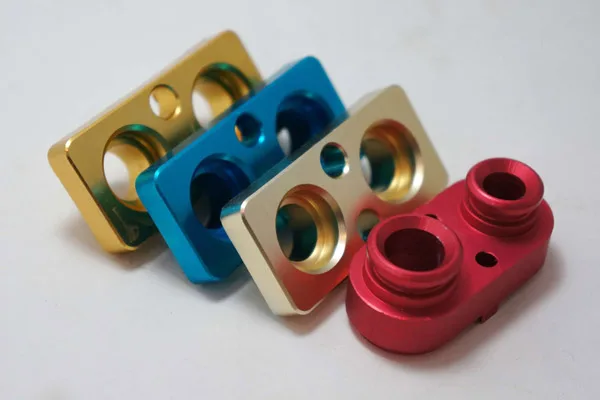
Power coating parts
Benefits and Limitations
Benefits
Aluminium rapid prototyping offers a combination of speed, functional performance, and design flexibility. It can produce durable parts for assembly checks and testing, supports multiple manufacturing methods, and helps teams detect design issues before production. Aluminium is also widely available in different grades and can be finished in many ways.
Limitations
Aluminium prototypes may cost more than plastic models, particularly when the part has complex geometry or requires extensive machining. CNC machining can be limited by tool access and may generate material waste. Metal 3D printing can provide geometric freedom but may involve higher costs and additional post-processing. The selected process may also produce a prototype that differs from the final production method, which can affect how accurately it predicts production performance.
How to Choose a Prototyping Supplier
When selecting an aluminium rapid prototyping supplier, evaluate more than the quoted price. Ask about available alloys, manufacturing processes, typical lead times, inspection capabilities, finishing options, and experience with similar parts.
It is also useful to provide complete design files and explain the prototype’s intended purpose. A supplier who understands whether the part is for appearance, assembly, or mechanical testing can recommend a more appropriate process and material. Before placing an order, confirm the required tolerances, surface finish, quantity, and inspection documentation.
Conclusion
Aluminium rapid prototyping is an effective way to develop and evaluate metal components before production. Its combination of low weight, useful strength, machinability, corrosion resistance, and finishing flexibility makes aluminium suitable for many functional prototypes.
By selecting the right alloy and manufacturing process—and by considering tolerances, geometry, and finishing early in the design stage—businesses can produce prototypes that provide meaningful feedback and reduce development risk. Whether the project calls for a CNC-machined housing, a formed sheet metal bracket, or a complex 3D-printed component, aluminium rapid prototyping can help move a product from concept toward production with greater confidence.