
From the smartphone in your pocket to the server farms powering the internet, electronics are everywhere. But behind every circuit board, processor, and power supply lies an often‑overlooked structural backbone: sheet metal. Enclosures, chassis, heat sinks, brackets, and electromagnetic interference (EMI) shields – these critical components are almost exclusively produced through sheet metal fabrication.
The electronics industry demands precision, consistency, thermal management, and protection from environmental and electrical interference. Sheet metal fabrication delivers all of this at scale, with cost‑effectiveness and material versatility that few competing processes can match. This article explores the key fabrication techniques, typical applications, material choices, and emerging trends that make sheet metal an indispensable solution for modern electronics manufacturing.
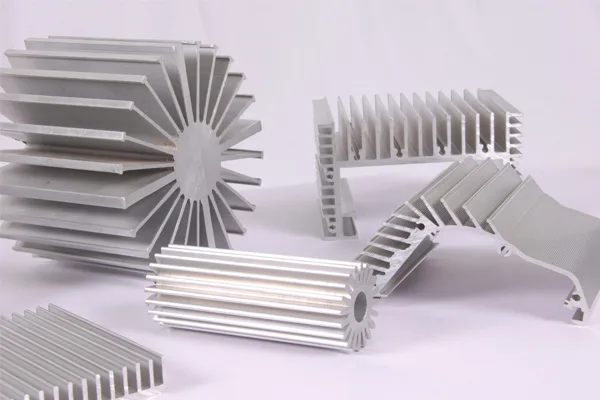
Aluminium heat sinks
Why Sheet Metal for Electronics?
Sheet metal offers a unique combination of properties that align perfectly with electronic device requirements:
Structural rigidity – Thin metal sheets (typically 0.5 mm to 3 mm) provide excellent stiffness-to‑weight ratios, protecting sensitive internal components from mechanical stress and vibration.
Thermal conductivity – Aluminum and copper sheets efficiently dissipate heat generated by processors, power transistors, and batteries, preventing overheating.
EMI/RFI shielding – Conductive metal enclosures block electromagnetic and radio‑frequency interference, ensuring regulatory compliance (FCC, CE) and preventing signal disruption.
Grounding capability – Metal chassis provide a common ground plane, reducing electrical noise and improving safety.
Durability – Compared to plastic enclosures, sheet metal withstands higher temperatures, impacts, and long‑term use without degradation.
Recyclability – At end‑of‑life, sheet metal components are 100% recyclable, supporting sustainability goals.
These benefits explain why sheet metal remains the dominant material for industrial electronics, telecom infrastructure, medical devices, consumer electronics housings (e.g., computers, gaming consoles), and automotive electronics.
Key Sheet Metal Fabrication Processes for Electronics Applications
Laser Cutting
Laser cutting is a highly accurate and efficient method for cutting intricate patterns and precise features into sheet metal. It offers excellent edge quality and minimal material wastage, making it ideal for producing complex enclosures and detailed connectors.
CNC Punching
CNC punching involves using computer-controlled punches to create holes, cutouts, and other features quickly and accurately. This process is well-suited for high-volume production of standardized parts such as mounting panels and vents.
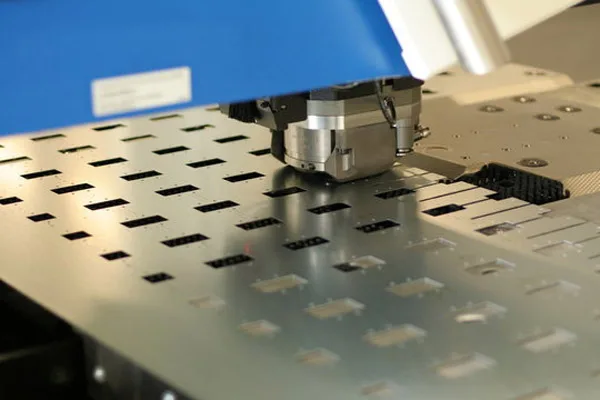
CNC punching
Bending and Forming
Bending and forming processes shape sheet metal into three-dimensional components. Precision bending ensures tight tolerances, essential for fitting electronic components and maintaining structural integrity.
Welding and Joining
Welding techniques such as spot welding, TIG, and MIG welding are used to assemble multiple sheet metal parts into complete enclosures or assemblies. Proper welding ensures durability and electromagnetic shielding effectiveness.
Surface Finishing
Surface treatments like powder coating, anodizing, and polishing enhance corrosion resistance, electrical insulation, and aesthetic appeal. These finishes are vital for products exposed to harsh environments or requiring a premium look.
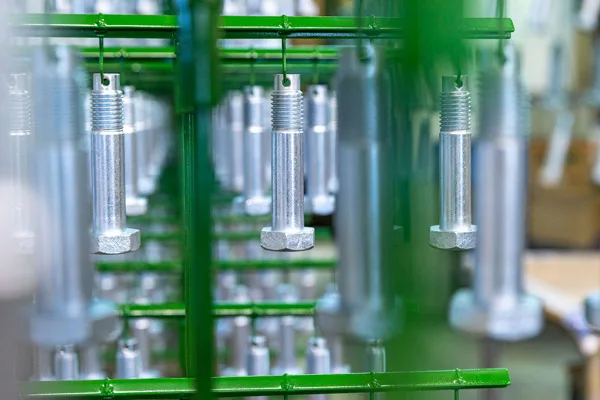
Powder coating small parts
Material Selection for Electronics Sheet Metal Fabrication
|
Material |
Key Properties |
Common Electronics Uses |
| Aluminum | Lightweight, excellent thermal conductivity, corrosion‑resistant, easy to machine | Heat sinks, portable device enclosures, rack panels |
| Cold‑rolled steel | High strength, low cost, good formability | Internal chassis, brackets, computer cases |
| Galvanized steel | Corrosion‑resistant, weldable, conductive | Server enclosures, industrial control boxes |
| Stainless steel | Superior corrosion resistance, hygienic, high strength | Medical electronics, outdoor enclosures, RF shields |
| Copper & brass | Excellent conductivity, solderable, attractive appearance | EMI gaskets, bus bars, decorative trim, RF shields |
Emerging Trends in Electronics Sheet Metal Fabrication
Miniaturization and Precision
As devices shrink, sheet metal components follow. Micro‑stamping and laser micromachining enable wearable electronics and implantable medical devices.
Integration with 3D Printing
Hybrid approaches – 3D printing complex brackets or heat sinks and then CNC finishing critical surfaces – are gaining traction. However, for most enclosures, sheet metal remains faster and cheaper.
Sustainable Manufacturing
- Recycled content – Post‑consumer aluminum and steel are increasingly specified.
- Lean fabrication – Nesting software reduces scrap to under 10% for many parts.
- Water‑based coatings – Replacing solvent‑based powder paints to lower VOC emissions.
Smart Enclosures
Embedding sensors or conductive traces directly into sheet metal is an emerging area, though still niche.
Conclusion
Sheet metal fabrication is far more than a commodity service for the electronics industry. It is an enabling technology that provides the structural, thermal and electromagnetic underpinnings for virtually every electronic device we rely on. From the smallest shield can inside a smartphone to the largest server rack in a data center, precision‑fabricated metal components deliver reliability, safety, and performance.
As electronics continue to evolve toward higher power densities, tighter spaces and stricter environmental standards, sheet metal processes – laser cutting, punching, bending, stamping and finishing – will adapt. With advances in automation, materials science and hybrid manufacturing, the future of electronics enclosures and chassis will remain firmly rooted in sheet metal.