
Black oxide coating is a widely used process in the metalworking industry, valued for its aesthetic appeal, corrosion resistance, and functional benefits. Although it might seem like a simple surface treatment, black oxide coating plays a crucial role in enhancing the durability and appearance of various metal components. In this article, we will explore what black oxide coating is, how it is applied, its advantages, and why it has become a popular choice in metal finishing.
What Is Black Oxide Coating?
Black oxide coating, also known as blackening or black oxide finish, is a conversion coating that creates a thin layer of magnetite on the surface of ferrous metals such as steel and iron. This coating appears as a smooth, matte black surface that provides an attractive, uniform finish. Unlike paint or other surface coatings, black oxide is not simply a layer of paint but a chemical conversion of the metal surface itself.
How Is Black Oxide Coating Applied?
The black oxide process involves submerging the metal parts in a heated chemical bath composed of oxidizing agents—primarily salts of iron, nitrates, or nitrates combined with other chemicals. The process typically occurs at temperatures around 275°F (135°C). During immersion, the chemicals react with the metal surface to form a controlled, uniform layer of magnetite.
The process can be performed using various methods, including hot black oxide, cold black oxide, or spray blackening, depending on the application and desired finish. After the oxidation process, the parts are rinsed, dried, and often sealed with oil, wax, or other protective coatings to enhance corrosion resistance and lubrication.
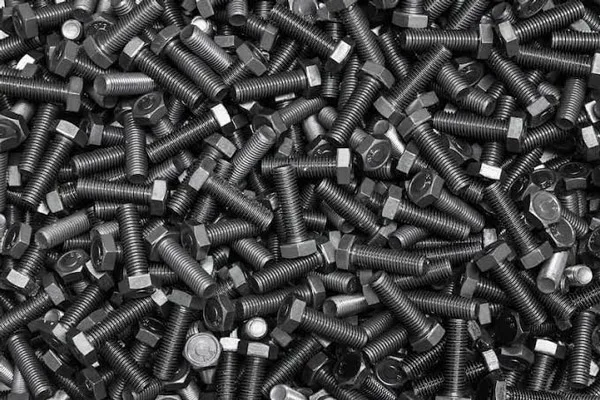
Black oxide coating
Types of Black Oxide by Material
Black oxide coatings are primarily designed for ferrous metals, especially steel and iron, but variations exist depending on the specific material and application requirements. Here are the most common types:
1. Black Oxide for Steel and Iron
Hot Black Oxide: The most prevalent type, applied at high temperatures (~275°F). Suitable for steel and iron, providing a durable, uniform black finish with good corrosion resistance when sealed properly.
Cold Black Oxide: Conducted at room temperature, this process is faster and less expensive but offers slightly lower corrosion protection. Often used for small parts or repair coatings.
2. Black Oxide for Stainless Steel
Standard black oxide processes are not suitable for stainless steel due to its corrosion-resistant properties. However, specialized treatments like passivation or blackening with additional chemicals are used to achieve a black finish on stainless steel parts.
3. Black Oxide for Non-Ferrous Metals
Aluminum, copper, brass, and other non-ferrous metals generally do not undergo traditional black oxide processes. Instead, dyeing, anodizing, or chemical blackening methods are employed to produce a black appearance on these materials.
Advantages of Black Oxide Coating
Corrosion Resistance:
Black oxide provides a degree of corrosion protection by sealing the metal surface against moisture and oxidation. When combined with oil or sealants, it significantly prolongs the lifespan of components exposed to harsh environments.
Aesthetic Appeal:
The matte black finish offers a sleek, uniform appearance that is visually appealing. It is often used for tools, firearms, and decorative hardware.
Minimal Thickness:
Being a thin coating—usually a few micrometers—it does not significantly alter the dimensions or fit of machined parts, making it suitable for precision components.
Lubrication and Reduced Friction:
The porous surface of black oxide can retain oils and lubricants, reducing friction and wear during operation.
Cost-Effective:
The process is relatively inexpensive compared to other finishing methods, making it accessible for both small and large-scale manufacturing.
Enhanced Surface Hardness:
The formation of magnetite can increase surface hardness, improving wear resistance.
Comparing Black Oxide to Other Metal Finishing Options
|
Finish Type |
Appearance |
Corrosion Resistance |
Cost |
| Chrome Plating | Bright, shiny, mirror-like | Excellent | Higher |
| Nickel Plating | Bright, silver or gold hue | Good | Moderate |
| Black Powder Coating | Matte or semi-matte black | Good | Moderate to high |
| Brushed Steel | Satin, textured finish | Moderate, depending on coating | Moderate to high |
| Galvanization | Metallic, silvery coating | Excellent rust resistance | Cost-effective |
| Anodizing (Aluminum) | Colorful, durable oxide layer | Excellent | Moderate to high |
Why Is Black Oxide Used in Metal Finishing?
Black oxide’s combination of aesthetic, protective, and functional properties makes it an ideal choice for various industries. Here are some of the primary reasons why it is used:
- Tool and Weapon Manufacturing: Black oxide not only enhances the appearance of firearms and knives but also provides corrosion resistance and reduces glare.
- Automotive and Aerospace: Components subjected to outdoor conditions benefit from black oxide’s protective qualities.
- Electronics and Hardware: The black finish offers an attractive look while providing corrosion resistance for connectors, brackets, and hardware.
- Industrial Equipment: Machinery parts that require minimal maintenance and durability often utilize black oxide coatings.
Limitations and Considerations
While black oxide offers many benefits, it is not a permanent corrosion barrier. It provides some protection but often requires sealing or oiling to achieve optimal corrosion resistance. Additionally, black oxide is not suitable for non-ferrous metals like aluminum, copper, or brass, which require different finishing processes.
Conclusion
Black oxide coating is a versatile and cost-effective metal finishing process that enhances both the appearance and performance of ferrous metal components. Its ability to provide corrosion resistance, reduce glare, and improve surface hardness makes it an indispensable treatment across various industries. Understanding the application and benefits of black oxide can help manufacturers and engineers select the appropriate finishing method for their specific needs, ensuring longevity, functionality, and aesthetic appeal of their products.