
Vacuum casting, a proven process for creating high-quality prototypes and small batches, is undergoing significant innovation in the medical sector. Driven by the need for patient-specific solutions, biocompatible materials, and rapid iteration, these advances are bridging the gap between prototyping and low-volume production.
Core Traditional Process
Traditional vacuum casting involves creating a silicone mold from a master pattern (often 3D printed). Under vacuum, liquid polyurethane resin is poured into the mold, reproducing fine details and an excellent surface finish. It is prized for its speed, cost-effectiveness for small runs, and material versatility.
Key Innovations and Trends
1. Advanced Biomaterials and Biocompatibility
Medical-Grade Silicones & Polyurethanes: The biggest shift is the availability of ISO 10993/USP Class VI certified resins for vacuum casting. These materials are tested for cytotoxicity, sensitization, and irritation, allowing for the direct production of parts for short-term skin contact and some medium-term mucosal membrane contact.
Simulation of Final Materials: Resins now mimic the properties of PEEK, PP, PE, and even transparent materials, enabling functional testing of devices before investing in expensive injection molds.
2. Integration with Digital Workflows (Industry 4.0)
Direct from Digital Patient Data: The process is now seamlessly integrated into the Digital Patient Pathway. MRI/CT scan data → 3D anatomical model → 3D printed master pattern → vacuum cast functional part. This enables:
- Surgical Planning & Guides: Surgeons can practice on accurate, tissue-like models of a patient’s specific anatomy (e.g., complex tumor, bone fracture). Patient-specific surgical guides are cast in sterilizable resins for precise intraoperative use.
- Custom Prosthetics & Orthotics: Lightweight, customized prosthetic sockets, orthotic insoles, and braces can be produced faster and more cost-effectively than traditional methods.
3. Hybrid Manufacturing and Enhanced Fidelity
High-Fidelity Masters: Using voxel-based 3D printing (like PolyJet) to create masters with multi-material properties (rigid and soft in one part) allows for casting ultra-realistic anatomical models for training and simulation.
Overmolding & Embedded Components: Innovations in mold design enable the casting of parts with embedded metal inserts, magnets or sensors, creating complex hybrid devices for testing.
4. Automation and Process Control
Automated Degassing & Pouring: Systems with precise, automated resin mixing and pouring reduce variability and bubbles, improving part consistency and mechanical properties – critical for functional testing.
In-Line Quality Monitoring: Sensors monitor vacuum levels, temperatures, and cure times, ensuring each batch meets stringent medical quality requirements.
5. Expansion into Final-Use Parts
Beyond prototyping, vacuum casting is now used for low-volume production (10-500 units) of:
- Final-Use Medical Devices: Niche or trial-market devices where injection molding tooling is prohibitively expensive (specialized surgical instrument handles, components for robotic surgery systems).
- Regulatory Compliance Aids: Producing parts for human factors studies (usability testing) and clinical trial devices that must be identical to the planned mass-produced version.
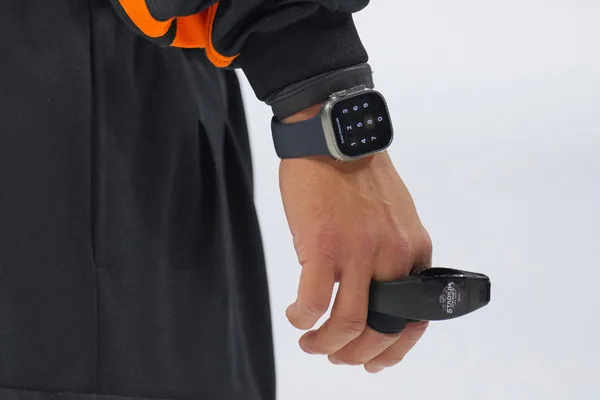
Wearable medical devices
Application Areas
- Anatomical Models: For pre-operative planning, medical education, and informed consent. Cast in materials that simulate bone, soft tissue, or organ feel.
- Surgical & Diagnostic Tools: Prototypes and low-volume production of ergonomic tool handles, housings for diagnostic devices, and custom laparoscopy tools.
- Wearable & Assistive Devices: Customized grips for surgical robots, exoskeleton components, and wearable sensor housings.
- Drug Delivery Devices: Prototypes of inhalers, auto-injectors, and pump mechanisms for functional testing and human factors engineering.
Benefits of These Innovations
- Speed: Faster than traditional manufacturing for customized parts.
- Cost-Effectiveness: Low upfront tooling cost ideal for personalized medicine and niche applications.
- Material Performance: Near-production material properties for valid functional testing.
- Design Flexibility: Easy iteration of complex geometries based on surgeon or patient feedback.
Challenges and Future Outlook
- Sterilization Limitations: While materials are biocompatible, repeated sterilization (autoclaving) cycles can be a challenge for some cast resins.
- Scale Limitation: Not economical for high-volume production.
- Future Direction: Tightening integration with AI-driven design (generating optimized lattice structures for implants) and exploration of advanced antimicrobial resins.
Conclusion
Vacuum casting has evolved from a simple prototyping tool into a critical enabling technology for personalized medicine and rapid medical device development. By leveraging new biomaterials and digital integration, it allows for the cost-effective creation of patient-specific models, surgical tools and even end-use devices, accelerating innovation and improving patient care outcomes. It is a key pillar in the move towards decentralised, on-demand manufacturing in healthcare.