
Polypropylene (PP) is one of the most versatile and widely used thermoplastic polymers in the world of manufacturing. Its excellent balance of properties, affordability, and ease of processing make it a popular choice for a broad range of applications. Injection molding, a highly efficient manufacturing process, allows producers to create complex polypropylene parts with high precision and repeatability. This comprehensive guide will delve into everything you need to know about polypropylene injection molding, covering its properties, advantages, process steps, applications, and key considerations for manufacturers.
What Is Polypropylene?
Polypropylene is a semi-crystalline thermoplastic polymer belonging to the polyolefin family. It is characterized by its toughness, chemical resistance, and flexibility. PP is produced through the polymerization of propylene monomers, resulting in a material with a low density, good fatigue resistance, and excellent insulating properties.
Key Properties of Polypropylene:
- Durability: Resistant to impact and fatigue.
- Chemical Resistance: Effective against acids, bases, and many solvents.
- Lightweight: Low density.
- Ease of Processing: Suitable for various manufacturing techniques, especially injection molding.
- Cost-Effective: Affordable material option for mass production.
Why Choose Polypropylene for Injection Molding?
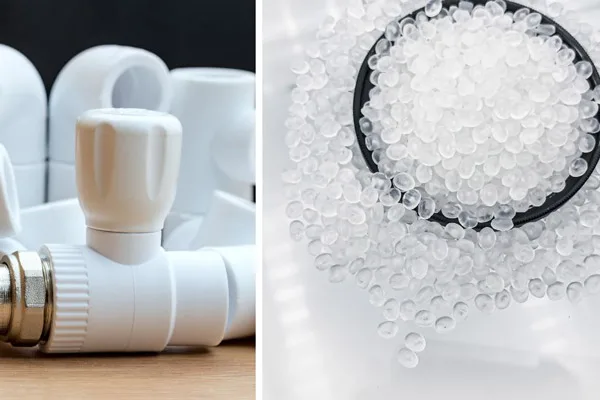
PP materials
Polypropylene’s combination of properties makes it an ideal candidate for injection molding. Its ease of processing allows for high-volume production of complex shapes with tight tolerances. Additionally, PP’s resistance to chemicals and moisture ensures longevity and durability of finished parts, making it suitable for diverse industries.
The Injection Molding Process for Polypropylene
1. Material Preparation: PP pellets are dried to remove moisture, which can cause defects like voids or weak spots.
2. Melting: The dried pellets are fed into an injection molding machine, where they are heated to a temperature typically between 200°C and 250°C.
3. Injection: The molten polypropylene is injected into a precisely machined mold cavity under high pressure.
4. Cooling: The material cools and solidifies within the mold. Proper cooling is crucial for dimensional stability.
5. Ejection: Once cooled, the mold opens, and the finished part is ejected.
6. Post-Processing: Additional finishing processes such as trimming or surface treatment may follow.
Advantages of Polypropylene Injection Molding
- Cost-Effective Production: Suitable for large-scale manufacturing, reducing per-unit costs.
- Design Flexibility: Capable of producing intricate geometries, thin walls, and micro-features.
- Material Versatility: Can be compounded with additives such as colorants, fillers, or stabilizers to enhance properties.
- Lightweight and Strong: Produces parts that are both lightweight and durable.
- Good Chemical and Heat Resistance: Suitable for applications exposed to chemicals or temperatures.
- Recyclability: PP is highly recyclable, supporting sustainable manufacturing practices.
Key Considerations When Molding Polypropylene
Material Selection: Choose the appropriate grade based on mechanical, chemical, and thermal requirements.
Drying: PP absorbs moisture; proper drying is essential before processing.
Processing Temperatures: Carefully control melt and mold temperatures to prevent issues like warping or poor fill.
Cooling Time: Adequate cooling ensures dimensional stability and reduces internal stresses.
Mold Design: Incorporate appropriate gating, venting, and cooling channels to optimize flow and cooling.
Additives: Use stabilizers, fillers, or colorants as needed to enhance performance.
Environmental and Sustainability Aspects
Polypropylene is recyclable, and many manufacturers incorporate recycled PP into their products to reduce environmental impact. Proper waste management and recycling during and after production help promote sustainable practices.
Advanced Technologies and Future Trends in PP Injection Molding
The industry is continuously evolving, and several innovations are shaping the future of PP molding:
Industry 4.0 and Smart Manufacturing
Real‑time monitoring of cavity pressure, temperature, and viscosity allows closed‑loop control to automatically adjust parameters, reducing scrap and improving consistency.
Micro‑foaming and Lightweighting
Physical or chemical foaming agents create micro‑cellular structures, reducing part weight and material usage while maintaining stiffness – particularly valuable for automotive and packaging.
In‑Mold Decoration (IMD) and Labeling (IML)
PP good flow and surface quality make it compatible with decorative films and in‑mold labels, enabling ready‑to‑use, aesthetically finished parts directly from the mold.
Bio‑based and Circular PP
With growing environmental pressure, bio‑based propylene sourced from renewable feedstocks is entering the market, alongside advanced recycling technologies that produce high‑quality PP with properties close to virgin material.
High‑speed Injection for Thin‑Wall Packaging
Demanding applications like ultra‑thin containers drive the development of high‑speed injection units with accumulators, capable of filling cavities in milliseconds while maintaining dimensional accuracy.
Conclusion
Polypropylene injection molding is a versatile, cost-effective manufacturing method that produces high-quality, durable parts suitable for countless applications. Its ease of processing, combined with excellent mechanical and chemical properties, makes PP an ideal choice for manufacturers seeking reliable, scalable production solutions.
By understanding the nuances of polypropylene properties, processing techniques, and application needs, manufacturers can optimize their injection molding processes to create innovative, high-performance products. Whether you’re developing packaging, automotive components, or medical devices, polypropylene injection molding offers a dependable pathway to achieving your manufacturing goals. With continuous advancements in materials, process control, and sustainability, PP injection molding remains at the forefront of modern polymer engineering.