
Welding is a fundamental process in fabricating and repairing sheet metal structures across various industries, including automotive, aerospace, construction, and manufacturing. Selecting the appropriate welding technique is crucial to ensure strong, durable joints, efficient workflow, and cost-effectiveness. With numerous welding methods available, understanding their differences, advantages, and limitations can help you make an informed decision tailored to your project’s specific needs.
In this comprehensive guide, we’ll explore the most common sheet metal welding techniques, their applications, and provide tips on how to choose the right method for your project.
Why Welding for Sheet Metal?
Welding is essential for sheet metal work because it creates strong, durable joints that can withstand stress and environmental conditions. It allows for precise and complex designs, making it ideal for industries like automotive, aerospace, and construction. Welding also offers a cost-effective and efficient way to assemble parts quickly, reducing the need for additional hardware. Additionally, it provides a seamless finish, improving both the appearance and structural integrity of the final product. Overall, welding is a vital process for ensuring the strength, reliability, and quality of sheet metal components.
Common Sheet Metal Welding Techniques
1. MIG Welding (Gas Metal Arc Welding – GMAW)
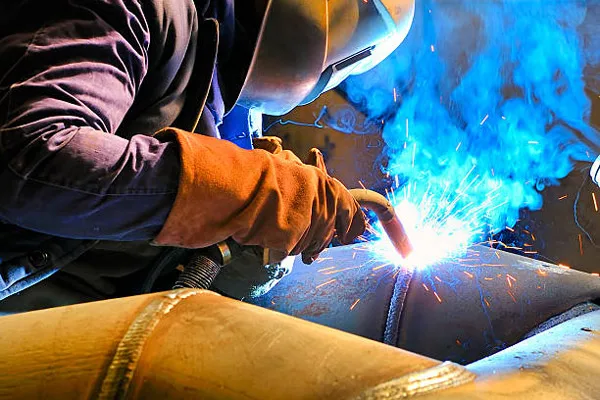
MIG welding is one of the most popular welding methods for sheet metal due to its ease of use, speed, and versatility. It uses a continuously fed wire electrode and a shielding gas to protect the weld pool from contamination.
 Advantages:
Fast and efficient, suitable for large-scale projects
Produces clean welds with minimal spatter
Easy to learn for beginners
Works well on thin sheet metal
Applications: Automotive bodywork, HVAC ductwork, general sheet metal fabrication
Limitations:
Less effective on very thin or very thick materials
Requires shielding gas and proper equipment
2. TIG Welding (Gas Tungsten Arc Welding – GTAW)
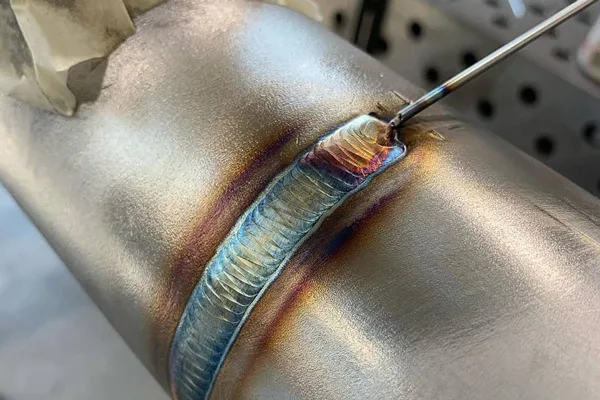
TIG welding involves using a non-consumable tungsten electrode and a separate filler rod, with an inert shielding gas. It provides precise control over the weld, resulting in high-quality, clean joints.
 Advantages:
Produces very clean, high-quality welds with excellent aesthetics
Suitable for thin sheet metal and delicate applications
Offers precise control, ideal for intricate designs
Applications: Aerospace parts, decorative sheet metal, thin automotive panels, stainless steel and aluminum
Limitations:
Slower process compared to MIG
Requires high skill level
Generally more expensive due to equipment and time
3. Stick Welding (Shielded Metal Arc Welding – SMAW)
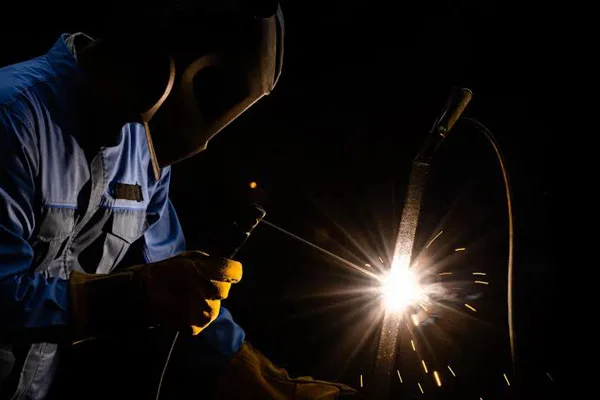
Stick welding uses a consumable electrode coated in flux. It’s a versatile method suitable for various materials, including steel.
 Advantages:
Portable and flexible, ideal for fieldwork
Effective on rough or rusty surfaces
Applications: Heavy-duty structural work, outdoor repairs, construction
Limitations:
Not ideal for thin sheet metal due to risk of burn-through
Produces rougher welds with more spatter
Less control over the weld pool
4. Spot Welding
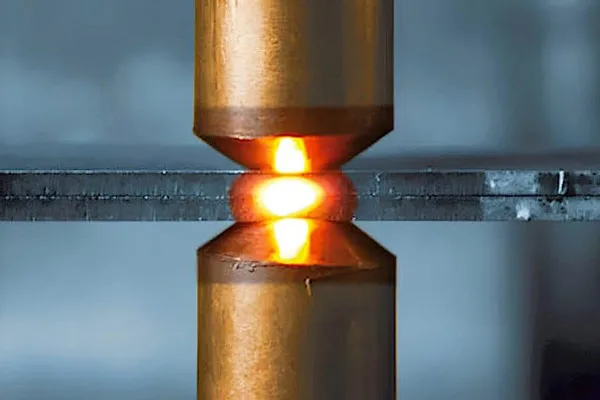
Spot welding is a resistance welding process where two metal sheets are joined by applying pressure and passing current through the contact points, creating localized welds.
 Advantages:
Fast and efficient for assembly lines
Produces clean, precise welds without filler material
Applications: Automotive body panels, appliance manufacturing, metal furniture
Limitations:
Limited to overlapping sheets and specific joint types
Not suitable for all materials or thick metals
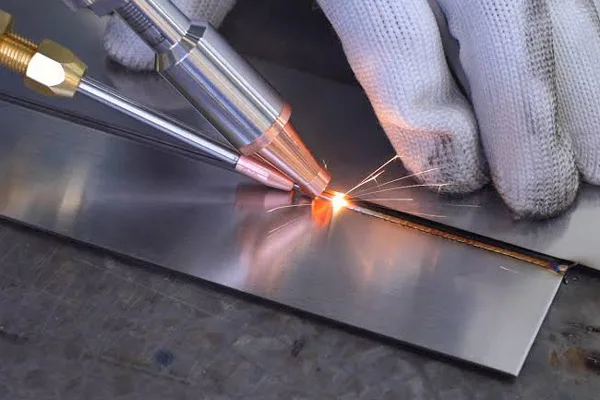
5. Laser and Plasma Welding
These advanced welding techniques use concentrated laser or plasma arcs to create precise, high-quality welds with minimal heat input.
 Advantages:
Extremely precise with minimal distortion
Suitable for complex, delicate assemblies
Applications: Aerospace, medical devices, high-end electronics
Limitations:
Expensive equipment and setup
Requires specialized training
How to Choose the Right Sheet Metal Welding Method
Selecting the appropriate welding technique depends on several factors:
Material Type and Thickness
Thin sheet metal (less than 18 gauge): TIG welding or laser welding for precision and minimal burn-through.
Moderate thickness (18-24 gauge): MIG welding offers a good balance of speed and quality.
Thicker metals: Stick welding or specialized high-current methods.
Application and Quality Requirements
Aesthetic, high-quality joints: TIG welding provides clean, precise welds.
Rapid production: MIG or spot welding are efficient options.
Structural strength: Stick welding or laser welding for high durability.
Skill Level
Beginner: MIG welding is generally easier to learn.
Experienced welders: TIG and laser welding allow for more control and precision.
Work Environment
Fieldwork or outdoor conditions: Stick welding is portable and robust.
Controlled environments: MIG and TIG welding produce cleaner results.
Budget and Equipment
Cost-effective options: MIG welding equipment is widely accessible and affordable.
High-end, specialized projects: Laser welding and advanced methods require significant investment.
Key Tips and Tricks for Welding Sheet Metal
For strong, clean welds on sheet metal, keep these tips in mind:
- Choose the Right Method: Use MIG for speed, TIG for precision, or spot welding for quick assembly.
- Prepare Surfaces: Clean all surfaces thoroughly to remove rust, oil, and debris.
- Set Correct Parameters: Adjust your welder’s settings based on material thickness to avoid burn-through or weak joints.
- Control Heat: Use proper travel speed and small welds to prevent warping and distortion.
- Perfect Your Technique: Maintain a steady hand, correct angle, and consistent speed for better beads.
- Finish Properly: Grind or polish welds for a smooth look and inspect for defects.
- Prioritize Safety: Wear PPE and work in a well-ventilated area.
Conclusion
Choosing the right sheet metal welding technique is vital for achieving durable, high-quality joints tailored to your project’s specific needs. Whether you prioritize speed, precision, strength, or aesthetics, understanding the strengths and limitations of each method will guide you toward the best choice.
By evaluating your material, application, skill level, and budget, you can select the most suitable welding process to ensure successful fabrication and long-lasting results. Remember, investing time in proper preparation and technique will pay off with superior weld quality and overall project success.