
Laser cutting technology has revolutionized the manufacturing and design industries, offering precision, efficiency, and versatility that traditional cutting methods often cannot match. From intricate jewelry designs to automotive components, laser cutting plays a vital role in producing high-quality, detailed, and complex parts. This comprehensive overview explores the fundamental processes involved in laser cutting, the materials compatible with this technology, and essential design considerations to maximize effectiveness and quality.
What Is Laser Cutting?
Laser cutting is a non-contact manufacturing process that uses a focused beam of high-powered laser light to cut or engrave materials with extreme accuracy. The laser beam melts, burns, vaporizes, or blows away the material along a designated path, enabling precise and intricate cuts. Its ability to produce clean edges, minimal warping, and high repeatability makes it a preferred choice across various industries.
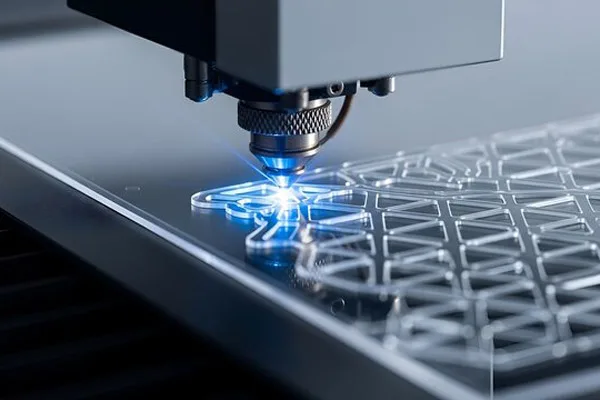
Laser cutting
The Laser Cutting Process
1. Preparation and Design
The process begins with creating a detailed digital design using CAD software. This design includes the exact paths and specifications for the cut, ensuring precision and consistency.
2. Material Placement
The chosen material is securely positioned on the laser cutting bed or work surface. Proper alignment is crucial for achieving accurate cuts and avoiding material waste.
3. Focusing the Laser
The laser beam is generated in a laser resonator and then directed through a series of mirrors and lenses to focus the beam onto a small, precise spot on the material surface. The focal point determines the cut’s precision and quality.
4. Cutting Operation
The laser emits a high-energy beam that heats the material to its melting or vaporization point. Simultaneously, assist gases such as nitrogen, oxygen, or compressed air blow away molten or vaporized material, creating a clean cut. The laser head moves along the predefined path, executing the cut with high speed and accuracy.
5. Finishing
After cutting, the piece may undergo additional finishing processes such as deburring, polishing, or coating, depending on the application’s requirements.
The 4 Main Types of Laser Cutters
|
Type of Laser Cutter |
Technology |
Applications |
Limitations |
| CO2 Laser Cutting Machines | Gas mixture of CO2, nitrogen, helium; widely used for non-metals and some metals. | Acrylic, wood, fabric, leather, glass, plastic, paper; thin to medium metals like aluminum, brass, copper. | Less effective for thick/hard metals; larger and less portable. |
| Fiber Laser Cutting Machines | Solid-state laser with fiber-optic cable doped with rare-earth elements like ytterbium. | Metals such as stainless steel, carbon steel, aluminum, brass, copper. High-speed, precise cutting of thin and thick metals. | Not suitable for non-metals; higher initial cost. |
| Nd:YAG and Nd:YVO4 Laser Cutting Machines | Solid-state lasers using neodymium-doped yttrium aluminum garnet or vanadate. | Metal engraving, welding, cutting; micro-machining; medical device manufacturing. | Lower power; more expensive and complex. |
| UV Laser Cutting Machines | Operate at very short wavelengths; ideal for detailed, fine work on thin materials. | Microelectronics, PCBs, medical devices; jewelry engraving; intricate art. | Limited to thin materials; higher operational costs. |
Design Guide for Laser Cutting
Creating effective designs for laser cutting involves understanding both artistic and technical considerations:
Simplicity and Clarity: Complex designs may require multiple passes, increasing production time and costs. Simplify intricate details for efficiency.
Line Thickness: Keep cutting lines within the recommended thickness range to ensure clean cuts. Thin lines may require adjusting laser power and speed.
Kerf Width: The width of the cut varies with material and laser settings. Account for kerf in the design to achieve precise dimensions.
Material Thickness: Thicker materials demand higher laser power and slower speeds. Adjust settings accordingly to avoid incomplete cuts or burn marks.
Ventilation and Safety: Ensure proper ventilation and safety measures, especially when cutting plastics or materials that release fumes.
Testing and Prototyping: Always test on sample material to fine-tune settings before final production.
Materials Suitable for Laser Cutting
Laser cutting is compatible with a wide range of materials, each requiring specific settings and considerations:
|
Material Type |
Examples |
Common Applications |
| Metals | Steel, aluminum, brass, copper, titanium | Provide excellent cut quality; widely used in industrial applications. |
| Plastics | Acrylic, polycarbonate, ABS, nylon | Popular for signage, displays, and prototypes. |
| Wood and Veneers | Plywood, MDF, hardwoods, decorative veneers | Extensively used in furniture, art, and crafts. |
| Fabrics and Textiles | Leather, felt, satin | Used in fashion, upholstery, and craft projects. |
| Glass and Ceramics | N/A (for engraving/etching, not direct cutting) | Commonly engraved or etched for decorative purposes. |
Advantages of Laser Cutting
Precision and Accuracy: Achieve complex designs with fine details and smooth edges.
Speed and Efficiency: Faster than traditional methods, especially for small-batch or custom jobs.
Flexibility: Capable of cutting a variety of materials with different thicknesses.
Minimal Material Waste: Precise cuts reduce waste and material costs.
Versatility: Suitable for prototyping, manufacturing, signage, jewelry, and artistic projects.
Conclusion
Laser cutting technology offers unmatched precision, versatility, and efficiency across numerous industries. By understanding the processes involved, selecting suitable materials, and adhering to sound design principles, users can harness the full potential of laser cutting to produce high-quality, intricate, and innovative products. As technology advances, laser cutting continues to evolve, opening new possibilities for creative expression and manufacturing excellence.
If you are interested in further exploring laser cutting or need assistance with your project, consider visiting a professional laser cutting service provider, Nicerapid, to ensure the best possible results.