
Understanding Surface Grinding: Process, Accuracy, and Applications
Surface grinding is a precision machining process used to create smooth, flat surfaces on metal and other hard materials. It is widely used in manufacturing when a component needs accurate dimensions, a consistent finish, or a flat surface that cannot be achieved efficiently through basic cutting operations.
From machine parts and tooling to automotive components and industrial equipment, surface grinding helps manufacturers meet demanding quality requirements. This guide explains how the process works, the equipment and materials involved, the factors that affect accuracy, and where surface grinding is commonly used.
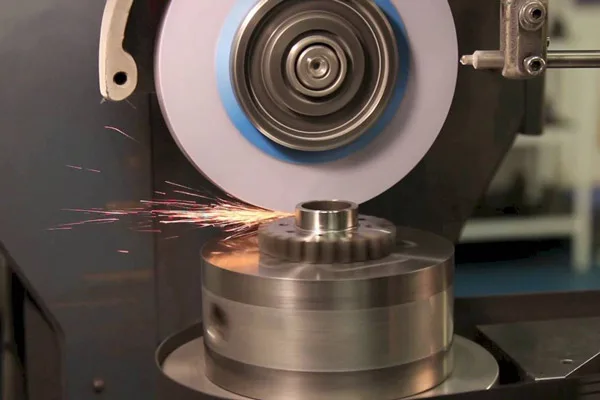
Precision grinding
What Is Surface Grinding?
Surface grinding is an abrasive machining process. Instead of removing material with a conventional cutting tool, it uses a rotating grinding wheel made of abrasive grains. Each grain acts like a tiny cutting edge, gradually removing small amounts of material from the workpiece.
The process is primarily used to produce flat surfaces, though specialized setups can also grind angled faces, slots, steps, and other features. Surface grinding is often performed near the end of a manufacturing sequence because it can refine a component’s dimensions and surface finish after earlier operations such as milling or heat treatment.
How the Surface Grinding Process Works
1. The workpiece is secured. The part is held on a machine table, commonly with a magnetic chuck for ferrous materials. Mechanical clamps or other fixtures are used for nonmagnetic materials or unusual shapes.
2. The grinding wheel is prepared. The wheel is selected for the material and finish requirements, then dressed to expose sharp abrasive grains and restore its shape.
3. The wheel and workpiece are positioned. The rotating wheel is brought into contact with the workpiece. The machine controls the wheel’s position and the movement of the table.
4. Material is removed in controlled passes. The table moves the workpiece beneath the wheel. Small amounts of material are removed with each pass until the target size and surface quality are reached.
5. The finished part is inspected. Measurements and surface checks confirm that the component meets the required specifications.
Coolant may be applied during grinding to reduce heat, wash away abrasive debris, and help protect both the workpiece and grinding wheel.
Main Types of Surface Grinding Machines
Different machine designs suit different part sizes, shapes, and production needs.
Horizontal-Spindle Surface Grinder
This common configuration uses the side or circumference of the grinding wheel to grind the workpiece. It is well suited to precision work and is often used for toolmaking, dies, and machine components.
Vertical-Spindle Surface Grinder
A vertical-spindle machine typically uses the face of the wheel to remove material. It can be useful for grinding larger surfaces or removing material efficiently from broad workpieces.
Manual and CNC Surface Grinders
Manual machines rely on operator adjustments and are often used for repair work, toolrooms, and low-volume production. CNC surface grinders use programmed movements to repeat operations consistently and can handle more complex or high-volume production requirements.
Materials Commonly Ground
Surface grinding is most often associated with metals, including:
- Hardened and unhardened steel
- Tool steel
- Stainless steel
- Cast iron
- Aluminum and copper alloys
- Carbide and other hard materials, with suitable wheels and settings
The material affects wheel selection, grinding speed, feed rate, depth of cut, and coolant requirements. For example, hardened steel may require a different abrasive and operating approach than aluminum or cast iron.
Accuracy and Surface Finish
One of the main reasons manufacturers use surface grinding is its ability to produce precise dimensions and fine finishes. However, the results depend on the machine, setup, wheel condition, workholding, and process parameters.
Dimensional Accuracy
Surface grinding can achieve tight dimensional tolerances when the machine is properly maintained and the workpiece is securely held. The exact tolerance depends on factors such as part geometry, material, machine capability, and inspection method.
Flatness and Parallelism
A well-controlled setup can produce surfaces that are flat and parallel to other reference faces. These characteristics are important when parts must fit together closely or provide a stable mounting surface.
Surface Finish
Grinding can create a smooth, uniform finish that may be difficult to achieve with rougher machining methods. The final finish is influenced by abrasive grain size, wheel condition, feed rate, depth of cut, and the number of finishing passes.
It is important to note that a smooth-looking surface is not automatically accurate. Dimensional and geometric checks are needed to verify that a ground part meets its specifications.
Factors That Affect Grinding Quality
Several process conditions influence the accuracy, finish, and efficiency of surface grinding.
Grinding Wheel Selection
The wheel must be appropriate for the workpiece material and the desired result. Important characteristics include abrasive type, grain size, hardness, and bond. A wheel that is too hard, too soft, or otherwise unsuitable may grind inefficiently or produce defects.
Wheel Dressing and Truing
Dressing removes dull abrasive grains and opens the wheel’s surface so it can cut effectively. Truing restores the wheel’s shape and running accuracy. Poorly dressed wheels may cause uneven finishes, excess heat, or dimensional errors.
Workholding
The workpiece must remain stable throughout the operation. Magnetic chucks are common for steel parts, while clamps, vises, or custom fixtures may be needed for other materials and shapes. Inadequate workholding can lead to movement, vibration, or inaccurate results.
Heat and Coolant
Grinding generates heat. Excessive heat can cause discoloration, distortion, residual stresses, or surface damage known as grinding burn. Proper coolant use, suitable wheel selection, and controlled material removal help manage heat.
Machine Condition and Operator Skill
Spindle condition, table movement, machine alignment, vibration, and calibration all affect the finished part. Skilled setup and inspection are especially important for close-tolerance work.
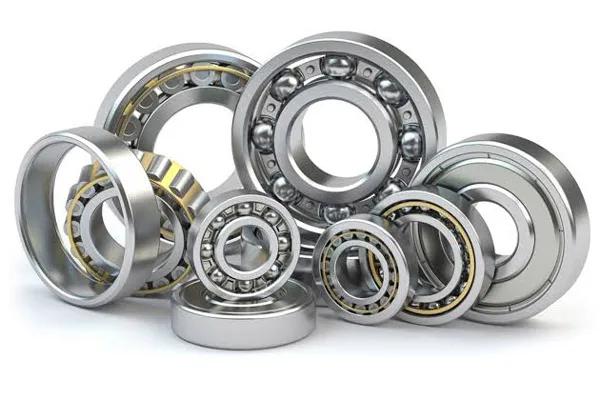
Automotive bearing
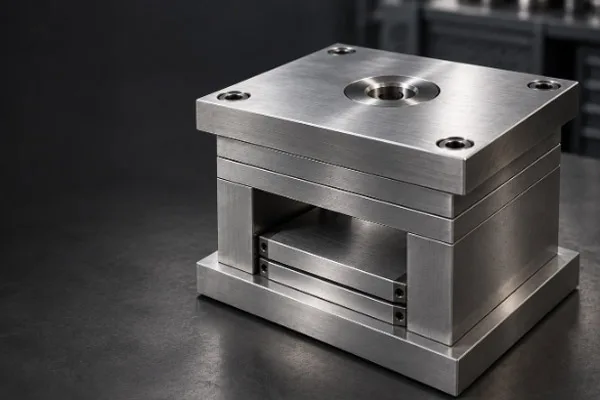
Mold base
Common Applications of Surface Grinding
Surface grinding is used across a wide range of industries and manufacturing tasks.
Tool and Die Making
Dies, punches, fixtures, and cutting tools often require precise flat faces and accurately sized features. Surface grinding helps achieve the fit and finish needed for reliable tooling.
Automotive and Aerospace Manufacturing
Precision components such as bearing surfaces, brackets, housings, and machined assemblies may need flat, smooth contact faces. In aerospace work, process control and inspection are particularly important because components may have demanding specifications.
Machinery and Equipment
Machine ways, plates, spacers, mounting surfaces, and other equipment parts can be ground to improve fit, alignment, and repeatability.
Mold and Component Production
Mold bases, inserts, and precision components may be surface ground to establish accurate reference faces and consistent dimensions.
Repair and Maintenance
Surface grinding can restore worn or damaged faces on tools and machine components, provided the part remains suitable for repair and enough material is available for correction.
Advantages and Limitations
Advantages
- Produces flat, smooth surfaces
- Can achieve precise dimensions and geometric accuracy
- Works with many hard and heat-treated materials
- Offers a controlled finishing process
- Supports both one-off work and repeat production
Limitations
- Usually removes material more slowly than rough milling
- Requires careful wheel selection and maintenance
- Can generate enough heat to damage a part if poorly controlled
- Workholding may be challenging for irregular or nonmagnetic parts
- Requires appropriate inspection to confirm accuracy
Surface Grinding Compared with Other Processes
Surface grinding is often chosen after milling or turning, rather than as a replacement for them. Milling is generally more efficient for removing larger amounts of material and creating pockets or complex shapes. Grinding is better suited to refining a surface, improving dimensional accuracy, or working with hardened materials.
The best process depends on the part’s geometry, material, tolerance, surface finish, production volume, and cost requirements. In many cases, a component is milled first and then surface ground to achieve its final dimensions and finish.
Safety Considerations
Grinding wheels rotate at high speeds, so safe operation is essential. Operators should use appropriate eye and face protection, follow machine guarding requirements, and inspect wheels before use. Wheels must be mounted and operated according to their rated speed and manufacturer instructions.
Workpieces should be secured properly, and coolant and debris should be managed to keep the work area safe. Only trained personnel should dress, mount, or operate grinding wheels.
Conclusion
Surface grinding is a valuable precision-finishing process for producing flat, smooth, and accurately sized surfaces. By using a rotating abrasive wheel, manufacturers can refine components made from a wide range of materials, including hardened metals that may be difficult to finish with conventional cutting methods.
The quality of the result depends on the grinding wheel, machine condition, workholding, coolant, and process settings. When these factors are controlled and the finished part is properly inspected, surface grinding can deliver the accuracy and finish required for tooling, machinery, automotive, aerospace, and many other applications.