
The Role of CNC Machining in the Electronics Industry
CNC machining has become a cornerstone of modern manufacturing, especially within the rapidly evolving electronics industry. Its precision, versatility, and efficiency make it an indispensable tool for producing high-quality components that meet the demanding standards of electronic devices. This article explores the vital role of CNC machining in the electronics sector, highlighting its applications, advantages, and the future outlook.
What Is CNC Machining?
CNC machining is a manufacturing process where pre-programmed computer software controls the movement of factory tools and machinery. This technology allows for the precise fabrication of complex parts from various materials such as metals, plastics, and composites. CNC machines can perform a variety of operations, including milling, drilling, turning, and grinding, all with high accuracy and repeatability.
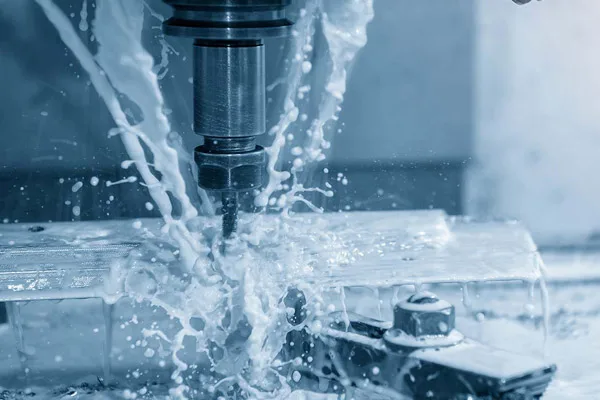
cnc machinine
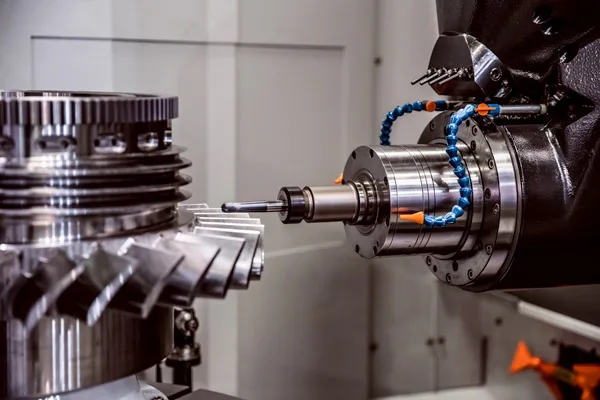
CNC milling machine
Types of CNC Machines Used in Electronics Manufacturing
Within the electronics industry, several types of CNC machines are commonly employed, each suited to specific tasks:
CNC milling machines – widely used for creating enclosures, heat sinks, and intricate housings due to their ability to cut complex 3D shapes.
CNC turning manchines– ideal for producing cylindrical components like connector pins, standoffs, and fasteners.
CNC drilling machines – essential for creating precise holes in printed circuit boards (PCBs) and other substrates.
High-speed CNC routers – often utilized for machining softer materials like plastics and composite laminates used in lightweight enclosures.
Multi-axis CNC machines (5‑axis) – enable the fabrication of highly complex geometries with fewer setups, improving accuracy and reducing production time—a critical advantage for miniaturized electronic parts.
Why CNC Machining is Critical to the Electronics Industry
The electronics industry demands components that are miniaturized, intricate, and highly reliable. CNC machining addresses these requirements effectively due to its ability to produce detailed and precise parts with tight tolerances. Here are some of the key reasons why CNC machining is vital in this industry:
High Precision and Accuracy: Electronic components often require exact dimensions to ensure proper fit and function. CNC machining can achieve tolerances within microns, which is essential for microelectronic applications.
Rapid Prototyping and Production: CNC allows for quick turnaround times from design to finished product, facilitating rapid prototyping and small-batch manufacturing.
Material Versatility: The ability to machine a wide range of materials, including metals like aluminum, copper, and titanium, as well as high-performance plastics, makes CNC suitable for diverse electronic components.
Complex Geometries: Modern electronic devices often incorporate intricate geometries, internal channels, and micro-features. CNC machining can precisely produce these complex designs.
Consistency and Repeatability: For mass production, CNC ensures each component maintains the same high-quality standards, reducing variability and waste.
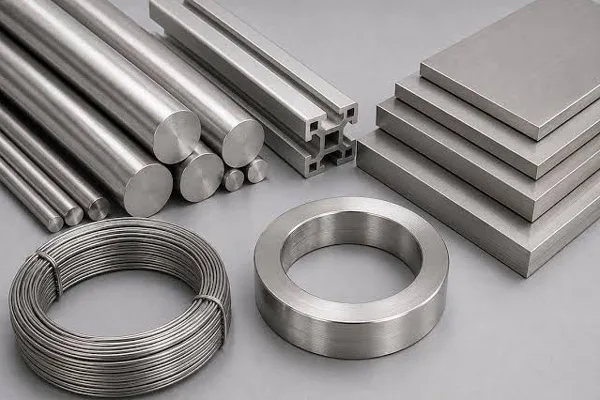
Stainless steel
Key Materials for CNC-Machined Electronic Components
The choice of material is crucial in electronics manufacturing, and CNC machining supports a broad palette. Key materials and their primary applications include:
Aluminum – favored for its lightweight, excellent thermal conductivity, and machinability, making it a top choice for enclosures and heat sinks.
Copper and brass – used for connectors, contacts, and EMI shielding due to their superior electrical conductivity and corrosion resistance.
Stainless steel – offers strength and durability for structural parts and fasteners.
Engineering plastics – machined for insulators, transparent covers, and lightweight structural components.
Ceramic materials – increasingly used for high‑frequency substrates and thermal management in advanced electronics; though challenging to machine, CNC techniques continue to evolve to handle these brittle materials.
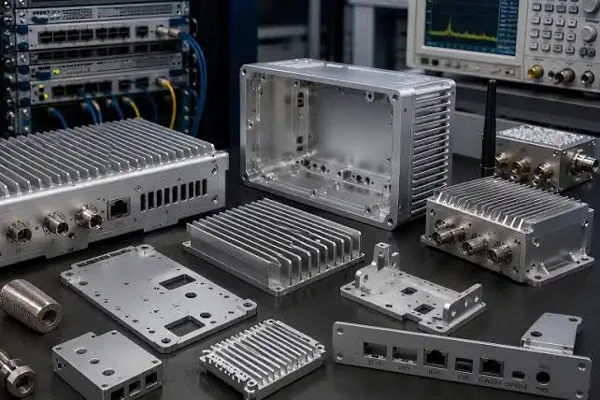
Communications equipment
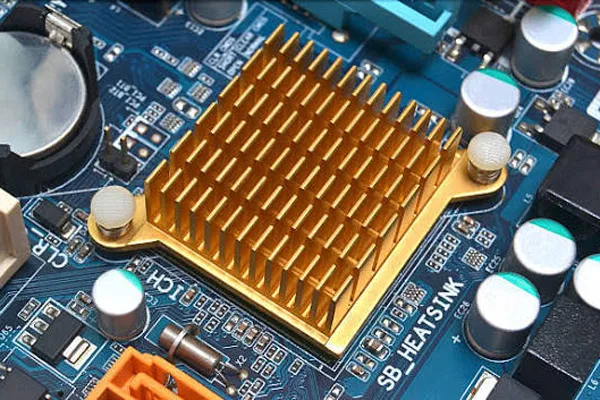
Heat sink
Applications of CNC Machining in the Electronics Industry
CNC machining plays a crucial role in manufacturing various electronic components and devices. Some significant applications include:
Enclosures and Casings
Protective housings for gadgets, sensors, and circuit boards require durability, precise dimensions, and sometimes intricate openings for connectors, vents, or displays. CNC machining produces robust enclosures with high-quality finishes that are essential for device longevity and aesthetic appeal.
Connectors and Circuit Board Components
Many connectors, sockets, and other small parts demand high precision. CNC machining ensures these parts fit perfectly and function reliably within electronic assemblies.
Heat Sinks and Thermal Management Components
Efficient heat dissipation is critical in electronics. CNC machined heat sinks, often made from aluminum or copper, are designed with intricate fins and channels to maximize surface area and improve cooling performance.
Microelectromechanical Systems (MEMS) Components
The manufacturing of MEMS devices, which include sensors, actuators, and microstructures, requires ultra-precise machining. CNC processes can achieve the micron-level tolerances needed for these advanced components.
Prototyping and Custom Parts
Developing new electronic products often involves multiple iterations. CNC machining allows rapid prototyping of custom parts, enabling designers to test and refine their concepts efficiently.
Advantages of Using CNC Machining in Electronics Manufacturing
- High Precision & Tolerance Control: Ensures the compatibility and reliability of electronic components.
- Design Flexibility: Capable of producing complex geometries and micro-features that traditional manufacturing methods cannot achieve.
- Cost-Effective for Small Batches: Ideal for low to medium production runs, especially during prototyping and initial product development.
- Speed and Efficiency: Reduced manufacturing lead times and faster turnaround from design to production.
- Material Compatibility: Suitable for a broad spectrum of materials, including metals, plastics, and composites used in electronics.
Surface Finishing Options for CNC-Machined Parts
To meet the aesthetic and functional requirements of electronic devices, CNC-machined components often undergo secondary surface finishing processes. Common finishes include:
Anodizing – for aluminum parts, enhances corrosion resistance and allows color coding.
Electroless nickel plating – frequently applied to copper or brass connectors to improve solderability and prevent oxidation.
Vapor polishing or bead blasting – used for plastic components to achieve smooth, glare‑free surfaces ideal for consumer‑facing enclosures.
Powder coating and painting – provide durable, insulating layers for structural housing.
The choice of finishing directly impacts the component’s electrical performance, thermal management, and overall lifespan, making it an integral part of the CNC manufacturing workflow.
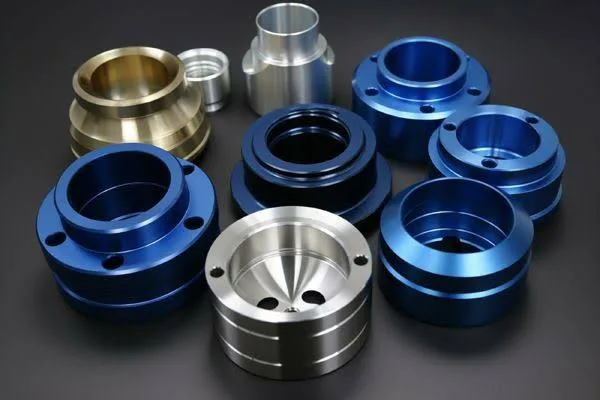
Anodizing
Challenges and Solutions in CNC Machining for Electronics
Despite its many advantages, CNC machining faces certain challenges in electronics applications. The miniaturization trend demands ever smaller features that can push the limits of tooling and machine stability. To address this, advanced micro tooling and high-speed spindles were employed, along with vibration damping techniques. Material waste was another concern, particularly when machining expensive metals; However, optimized toolpaths and nesting strategies help to minimize scrap. Thermal distortion during machining can affect tolerances, but modern CNC systems incorporate cooling and temperature compensation to maintain accuracy. In addition, handling delicate components requires careful fixturing to avoid damage-vacuum chucks and custom soft jaws are often used. With these solutions, manufacturers can overcome obstacles and fully leverage CNC capabilities for high-reliability electronic components.
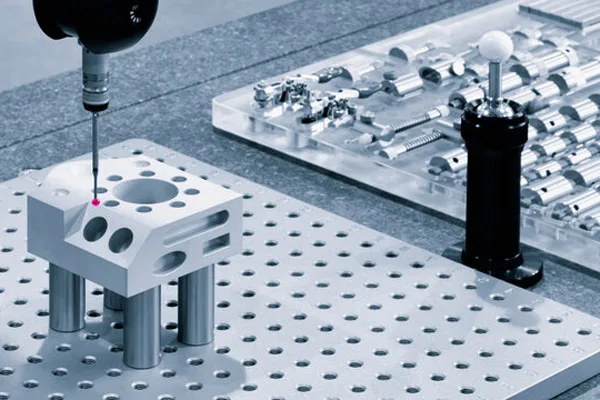
Coordinate measuring machine
Quality Control and Inspection in CNC Machining
Ensuring the quality of CNC-machined electronic components is paramount, given the zero-defect expectations in many applications. In-process probing and automated tool monitoring allow real-time adjustments to maintain dimensions. Post-machining inspection often employs coordinate measuring machines (CMMs), optical comparators, and laser scanners to verify critical features. For ultra-small parts, vision systems and white-light interferometry are used to measure surface roughness and micro-geometry. Statistical process control (SPC) integrates with CNC systems to track variability and predict tool wear, enabling proactive maintenance. This rigorous quality framework guarantees that each component meets the stringent specifications required for modern electronics, from consumer gadgets to aerospace and medical devices.
The Future of CNC Machining in Electronics
As electronic devices continue to shrink in size and increase in complexity, the demand for high-precision manufacturing methods like CNC machining is expected to grow. Innovations such as multi-axis CNC machines, automation, and integration with other manufacturing technologies will further enhance capabilities.
Additionally, the development of new materials tailored for CNC machining will expand its applications, enabling even more miniaturized and sophisticated electronic components.
Sustainability and Environmental Considerations
Looking ahead, sustainability is becoming a key driver in electronics manufacturing. CNC machining contributes to greener production by reducing material waste through advanced simulation and near-net shape machining. The use of biodegradable coolants and efficient chip recycling systems minimizes environmental impact. Moreover, the shift toward additive-subtractive hybrid manufacturing allows for more resource-efficient production, combining 3D printing with CNC finishing to reduce raw material consumption. Energy efficient CNC machines and smart scheduling also reduce the carbon footprint. As regulations tighten and consumers demand eco-friendly products, these sustainable practices will become integral to the electronics sector’s CNC operations, aligning with broader industry goals of a circular economy and reduced e-waste.
Conclusion
CNC machining has established itself as a vital technology in the electronics industry, delivering the high precision, versatility, and efficiency required to produce cutting-edge electronic components and devices. Its ability to handle complex designs, ensure consistent quality, and facilitate rapid prototyping makes it an invaluable tool for manufacturers aiming to stay competitive in a fast-paced, innovation-driven market. As technology advances, CNC machining will continue to play a crucial role in shaping the future of electronics manufacturing, enabling the creation of smaller, smarter, and more reliable electronic products.