
How to Improve Production & Reduce Mistakes in Plastic Injection Molding
Mistakes are an inevitable part of the product development journey, but in precision manufacturing like plastic injection molding, their cost is measured in more than just time – it’s in wasted materials, missed deadlines and damaged reputations. While errors cannot be completely eliminated, a strategic approach focused on proactive planning, disciplined investment and intelligent process control can prevent the most common and costly pitfalls. Here’s how to ensure a smoother path from design to delivery.
1. Excellence in Project Management: The Foundation of Success
The Critical Role of DFM (Design for Manufacturability): A comprehensive DFM analysis is not a mere suggestion; it is the blueprint for success. A skilled molding engineer will use this process to identify potential issues in your design that could lead to defects like sink marks, warping, or short shots. They will advise on optimal draft angles, wall thickness uniformity, rib design, and gate locations to ensure the part can be molded reliably, efficiently, and with the desired surface finish.
- Internally: Clearly defined roles (Project Manager, Design Engineer, Tooling Technician, Quality Inspector) and a shared project timeline ensure accountability. Regular internal check-ins prevent tasks from slipping through the cracks.
- Externally with the Customer: Establish clear communication protocols from day one. This includes formalized change order processes to avoid “scope creep” and unexpected costs. Transparency about potential challenges and regular progress updates (with photos/videos from tool trials) build trust and prevent last-minute surprises. The goal is no undisclosed surprises at any stage.
The High Cost of Late Changes: Altering a part design after the mold is cut often requires modifying hardened steel—a process that is slow, expensive, and can introduce new points of failure. Investing time and resources in perfecting the design before tooling begins is always cheaper than a project recovery.
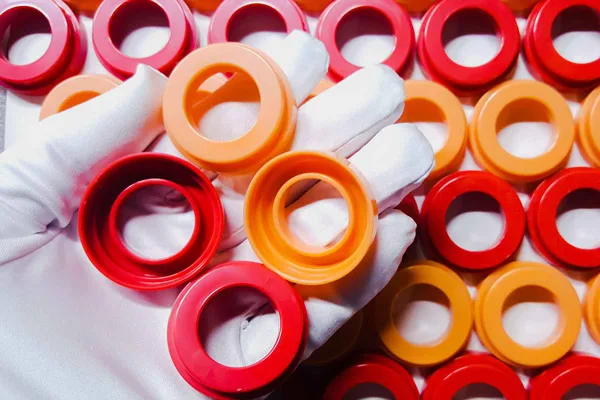
Plastic parts
2. Strategic Investment: Balancing Quality and Economy
Mold Material and Construction:
A Long-Term Decision: Your design engineer’s advice on mold material is rooted in your production volume and part material. Opting for a softer, cheaper steel (like P20) for a production run of 500,000 parts of abrasive plastic will lead to premature wear, loss of critical dimensions, and degraded part quality long before the run is complete. Investing in hardened steel (like H13) or stainless steel for the appropriate application ensures consistent part quality throughout the mold’s lifespan, protecting your brand reputation.
The “Rush Job” Paradox:
Attempting to accelerate the mold-making or sampling phase often backfires. Rushing can lead to inadequate polishing, improper heat treatment, or skipped quality checks on the mold itself. This results in a tool that produces defective parts, requires constant maintenance, and ultimately causes massive delays and cost overruns. The mantra should be “Go slow to go fast.” A disciplined, thorough process to first-time tooling correctness is the fastest route to volume production.
Your Product as Your Brand Ambassador:
Every part that reaches a customer is a testament to your company’s standards. A part with flash, ejector pin marks, or inconsistent color speaks louder than any marketing copy. Protecting your brand’s reputation for quality is an investment that far outweighs marginal short-term savings.
3. Process Optimization: Eliminating Waste to Enhance Productivity
Scientific Molding Over Intuition: Moving from a trial-and-error setup to a scientific, data-driven process is key. This involves:
- Establishing a Robust Process Window: Documenting precise parameters (injection speed, pressure, pack/hold time, cooling time, temperatures) that consistently produce good parts.
- Material and Energy Efficiency: Optimizing the shot size and cycle time minimizes material usage per part and reduces energy consumption. Even saving a few seconds per cycle translates to thousands of hours annually.
The High Cost of Rushing: Launching production before the process is stable is a recipe for waste. It can lead to:
- Startup Scrap: Hundreds of parts may be produced out of specification while operators attempt to adjust the process on the fly.
- Material Degradation: Incorrect temperatures or excessive cycle times can degrade the polymer, affecting the properties of all subsequent parts.
- Budgetary Impact: As noted, for projects with tight margins, losing a few hundred parts to scrap can turn a profitable job into a loss. This also creates secondary waste in labor for sorting, recycling, or disposal.
Continuous Improvement (Kaizen): Productivity gains don’t stop at launch. Regularly reviewing cycle times, scrap rates, and maintenance logs can reveal opportunities for incremental improvements—a slight adjustment to cooling channels, a more efficient robot gripper, or predictive maintenance on the mold. These small gains compound into significant competitive advantage.
4. Material Mastery: The Science Behind the Substance
Understanding Material Behavior: Each polymer family has unique flow characteristics, shrinkage rates, and sensitivities to heat and moisture. For instance:
- Hygroscopic Materials: Nylon (PA) and PET must be thoroughly dried before processing. Failure to do so causes hydrolysis, leading to brittle parts with splay marks and dramatically reduced mechanical strength.
- Shrinkage & Crystallinity: Semi-crystalline materials like POM (Acetal) and PP shrink significantly more than amorphous ones like PC (Polycarbonate). The mold and process must be engineered to account for this, or parts will warp and fail to meet dimensional tolerances.
The Criticality of Material Data Sheets (MDS): Do not base decisions on generic descriptions. Consult the specific MDS from your resin supplier for the exact grade you are using. This document contains essential data for processing—melt temperature range, recommended mold temperature, drying time and temperature—which are the foundational inputs for establishing your scientific molding process.
Consistency is Key: Once a material and supplier are qualified, avoid unnecessary changes. Even slight variations between batches or switching to a “cheaper” alternative from a different supplier can alter flow, color, and final properties, leading to a cascade of quality issues. Implement strict material handling and traceability protocols.
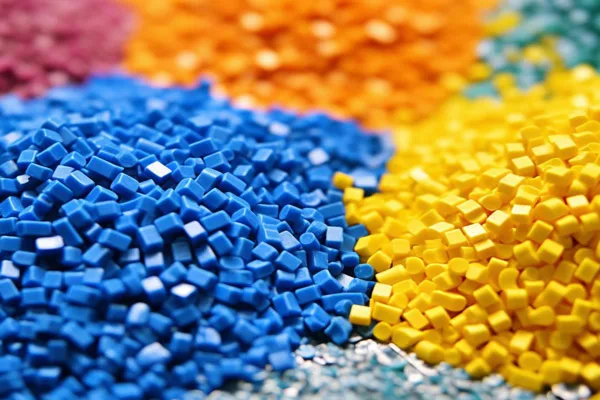
Plastic materials
5. Anticipating and Managing Post-Molding Effects
The Invisible Enemy: Residual Stress: When molten plastic is forced into a mold and cooled rapidly, polymer chains can be “frozen” in a stretched, stressed state. This stress can cause:
Post-Molding Warpage: Parts may appear fine initially but slowly distort over hours or days as the stress equilibrates, especially when exposed to higher temperatures.
- Failure in Assembly: Stress concentrations are weak points. A part may crack when a screw is tightened or when subjected to a chemical (like a solvent in painting), a phenomenon known as environmental stress cracking.
- Mitigation through Process Design: A well-designed mold and a optimized process allow polymer chains to relax more uniformly, minimizing locked-in stress. Annealing can be a necessary step for high-precision or high-stress applications.
Handling and Secondary Operations: Plan for the next step. Design parts with features that allow for safe, automated de-molding and handling to avoid scratches or deformation. Consider how the part will be assembled, packaged, or decorated. For example, gate vestiges must be in an acceptable location if the part is to be painted or placed in a visible area.
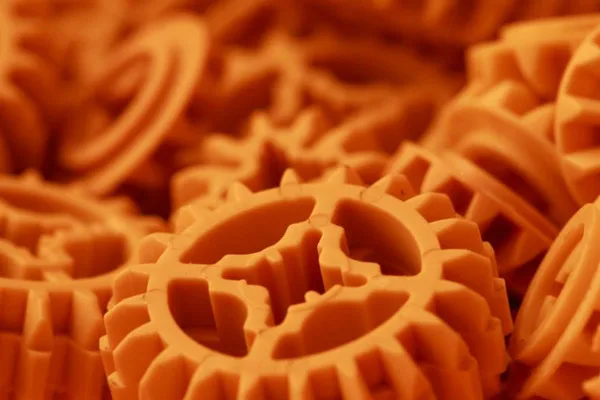
Plastic components
6. Embracing a Culture of Measurement and Data (Quality at Sour)
First Article Inspection (FAI) & Statistical Process Control (SPC):
- FAI: When the mold is first sampled, a comprehensive measurement report of critical dimensions should be generated against the part drawing. This validates the tool and process.
- SPC: For production, identify key characteristics (a critical diameter, a wall thickness) and measure them at a defined frequency. Plotting this data on control charts allows you to see trends before they become defects—distinguishing between normal process variation and a process going out of control.
In-Mold Monitoring and IoT: Modern presses and molds can be equipped with sensors that monitor cavity pressure, temperature, and cycle times in real-time. If a parameter drifts outside the validated “golden curve” for a good part, the machine can alert an operator or stop automatically, preventing the production of a batch of scrap.
The Human Factor: Training and Standard Work: Ensure all machine operators, technicians, and quality staff are thoroughly trained not just on what to do, but why. Create clear Standard Operating Procedures (SOPs) for mold changes, startups, and shutdowns. A disciplined, documented process minimizes variability introduced by human intervention.
Conclusion: An Integrated Approach
Ultimately, flawless injection molding is the result of viewing the entire operation as an interconnected system. It extends beyond the press itself to encompass:
- Upstream: Smart design (DFM), strategic material selection, and collaborative project management.
- Core Process: Disciplined investment in tooling, a scientific approach to processing, and vigilant waste reduction.
- Downstream: Managing post-molding behavior and implementing proactive quality systems.
By integrating these six pillars—Excellence in Project Management, Strategic Investment, Process Optimization, Material Mastery, Post-Molding Management, and a Data-Driven Quality Culture—you build a robust framework that doesn’t just react to problems, but systematically prevents them, ensuring a reliable, efficient, and high-quality manufacturing journey.