
Shin guards are an integral component of protective gear for athletes across a variety of sports, notably soccer, hockey, lacrosse and field hockey. They serve to shield the shin from the blunt impacts, kicks, falls, and collisions that are common in dynamic athletic settings. As sports gear technology advances, manufacturers are increasingly turning to innovative manufacturing techniques such as blow molding to produce superior protective gear. Among these, blow molding shin guards stand out for their remarkable functional advantages that enhance safety, comfort and performance.
Understanding Blow Molding and Its Role in Sports Equipment
Blow molding is a manufacturing process that involves creating hollow plastic objects by inflating a heated plastic parison inside a mold until it conforms to the shape of the mold cavity. This process is distinguished by its ability to produce seamless, lightweight and durable hollow structures with complex geometries. For sports equipment, particularly shin guards, blow molding enables the creation of protective shells that combine strength, flexibility and ergonomic design, tailored to meet the rigorous demands of athletic activity.
Deep Dive into the Functional Advantages of Blow-Molded Shin Guards
1. Superior Impact Absorption and Force Distribution
Impact resistance is the cornerstone of an effective shin guard. Blow molding facilitates the incorporation of internal air chambers, multi-layered structures, or foam inserts within the plastic casing. These features act as shock absorbers, dispersing the energy from the impact over a wider area and reducing the force transmitted to the athlete’s shin. The hollow design allows for controlled deformation under impact, which enhances safety without compromising structural integrity. Moreover, the ability to engineer multi-layered shells with varying material properties creates a tailored response to different impact levels, providing customizable levels of protection.
2. Lightweight and High-Performance Design
Athletes demand gear that does not hamper their agility or endurance. Blow-molded shin guards are renowned for their lightweight profile, achieved through the thin-walled construction of their hollow shells. The lightweight design minimizes fatigue during extended play and improves overall mobility, allowing athletes to focus on their performance rather than cumbersome equipment. Reducing weight also means less strain on an athlete’s muscles and joints, which can help with injury prevention over time.
3. Seamless, Durable, and Reliable Construction
Seamless shells are a notable advantage of blow molding, eliminating weak points that are common in injection-molded or assembled protective gear. The seamless design ensures uniform strength and integrity, making the shin guards highly resistant to cracking, splitting, or breaking under repeated impacts. This durability extends the lifespan of the equipment, providing consistent protection over multiple seasons of use. Additionally, the seamless surface is less prone to accumulating dirt and bacteria, simplifying cleaning and maintenance.
4. Ergonomic Fit and Enhanced Comfort
One of the key benefits of blow molding is the ability to design complex, anatomically accurate shapes that conform precisely to the contours of the athlete’s shin and calf. This ergonomic fit ensures that the guards stay securely in place during vigorous activity, reducing the need for adjustments mid-game. Integrated ventilation channels and textured surfaces improve airflow, helping to wick away sweat and reduce heat buildup, which enhances comfort during extended periods of wear. Custom-fit options are also easier to produce with blow molding, allowing manufacturers to cater to individual athlete needs.
5. Cost-Effective and Efficient Production
Blow molding is a highly efficient manufacturing process that provides significant cost savings. The process produces minimal waste material, and the excess plastic can be recycled and reprocessed. High volume production capabilities mean that large quantities of consistent, high-quality shin guards can be manufactured quickly, reducing unit costs. This affordability gives sports organizations, schools, and individual athletes access to high-performance protective gear without exorbitant costs. The economic benefits also encourage the adoption of advanced safety equipment across different levels of athletic participation.
6. Eco-Friendly Manufacturing and Sustainability
Environmental considerations are increasingly affecting the manufacturing of sports equipment. Blow molding is recognized for its sustainability advantages due to its material efficiency and recyclability. Many blow-molded shin guards are produced using recyclable plastics such as polypropylene or polyethylene, which can be reprocessed at the end of their lifecycle. This focus on sustainability aligns with a broader industry trend toward eco-conscious sportswear, allowing athletes and organizations to support environmentally responsible practices.
7. Water Resistance and Easy Maintenance
The plastic shells produced through blow molding are inherently water-resistant, protecting the internal padding and foam inserts from moisture damage. This resistance is particularly beneficial for outdoor sports played in wet conditions, reducing the risk of mold and bacterial growth. Cleaning is straightforward – simply wiping with a damp cloth or mild disinfectant is sufficient – making maintenance hassle-free and promoting hygiene.
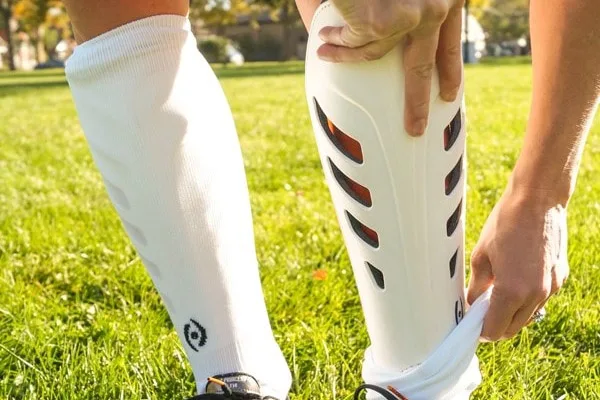
Shin guards
Additional Benefits and Industry Trends
Customization and Innovation in Design
The flexibility of blow molding allows manufacturers to innovate continuously. Custom color schemes, branding, and personalized designs are easily integrated into the manufacturing process, appealing to athletes seeking unique and stylish gear. Advanced designs incorporate features like adjustable straps, modular components, and integrated padding, further enhancing functionality.
Enhanced Safety Standards and Compliance
Blow-molded shin guards can be engineered to meet or exceed safety standards set by sports governing bodies. The ability to precisely control material properties and structure ensures consistent compliance with impact resistance and safety criteria, giving athletes confidence that their protective gear is reliable.
Future Perspectives and Technological Advancements
Looking ahead, technological advances such as incorporating smart materials and sensors into blow-molded shells could revolutionize sports safety gear. Sensors embedded in the protective case could provide real-time impact data to help coaches and medical staff monitor injury risk. In addition, the development of biodegradable plastics for blow molding aligns with sustainability goals, potentially further reducing environmental impact.
Conclusion
Blow-molded shin guards exemplify how innovative manufacturing processes can significantly enhance the safety, comfort, and performance of sports protective equipment. Their impact-absorbing capabilities, lightweight and ergonomic design, durability, and cost-effectiveness make them the choice of choice for athletes and manufacturers alike. As technology continues to evolve, the role of blow molding in the production of advanced, sustainable and customizable athletic apparel is poised to expand further.
For athletes committed to safety without compromising performance, blow-molded shin guards offer a smart, reliable and forward-thinking solution. Embracing these technological advantages not only elevates individual safety, but also sets new standards for the athletic equipment industry, promoting healthier, safer and more enjoyable athletic experiences.